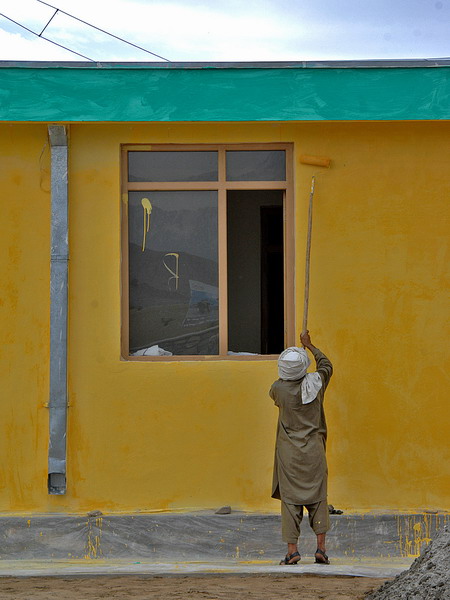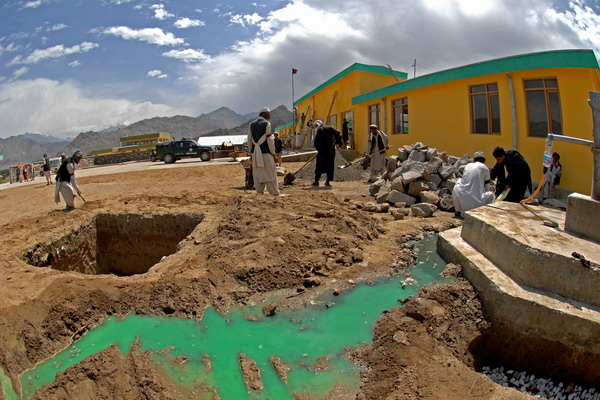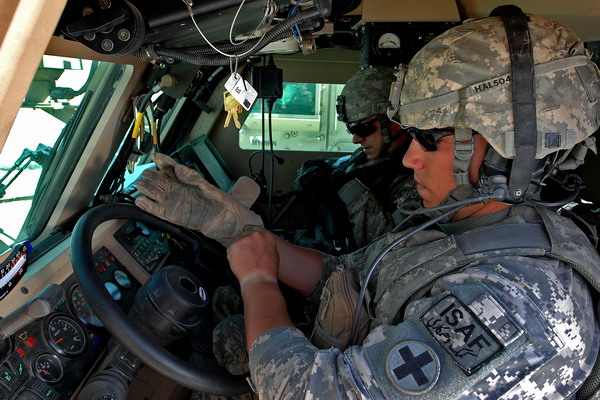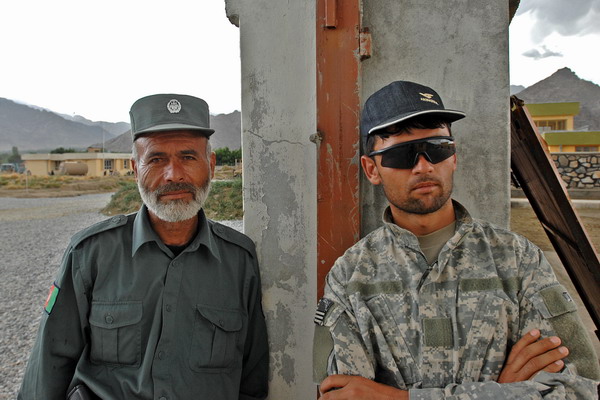
The JimAnna Chronicles http://www.jimanna.com/ Herein are the thoughts, opinions, pictures and stories of Jim and Anna Gingras. (to see whole image, please click on the post ... front page crops the right side) en 2009-01-03T14:27:33+01:00 Afghanistan -- Month Two (Part 2) http://www.jimanna.com/archives/000167.html Afghanistan Month 2 26.jpg

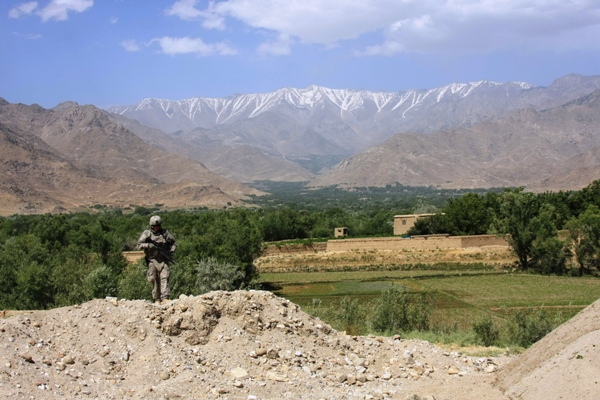
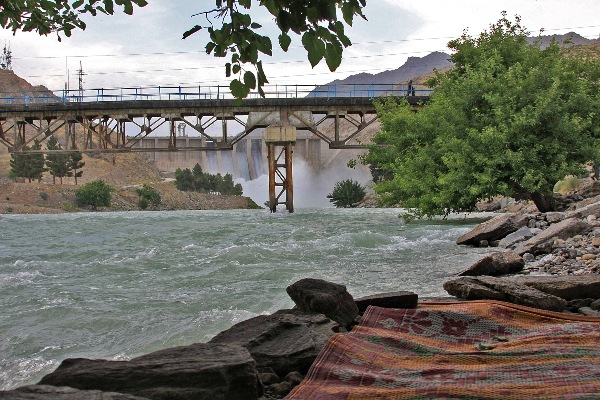
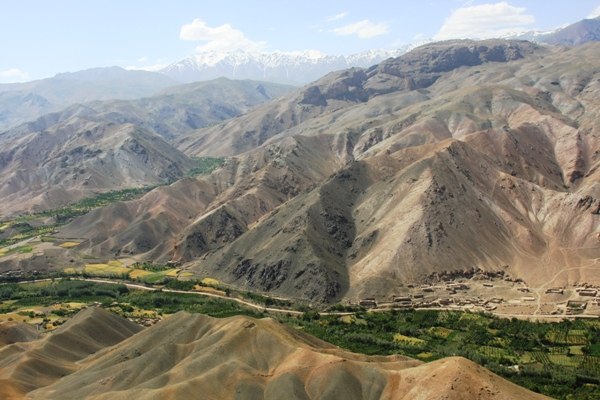
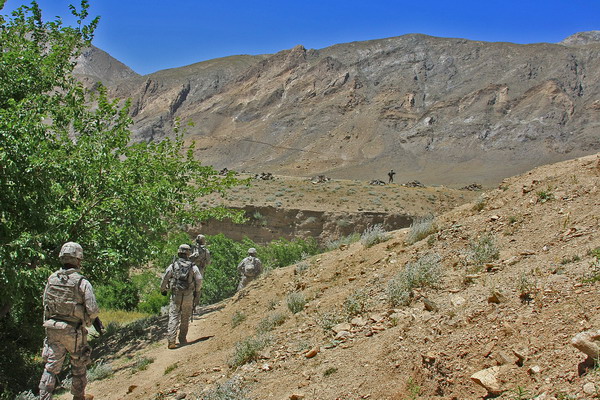
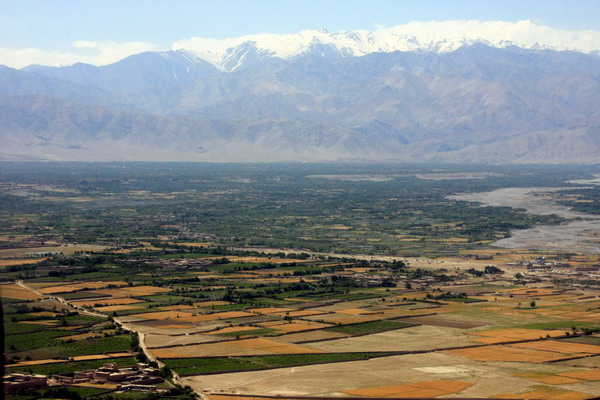
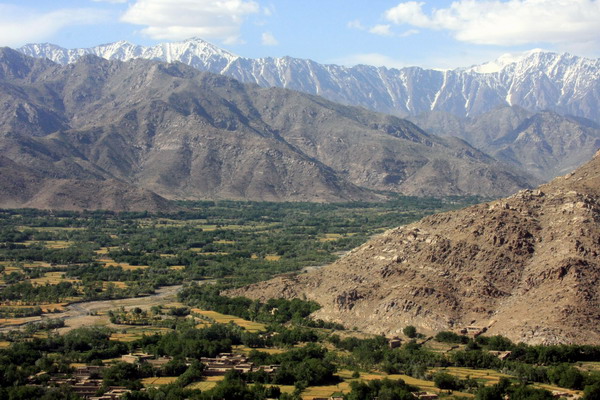
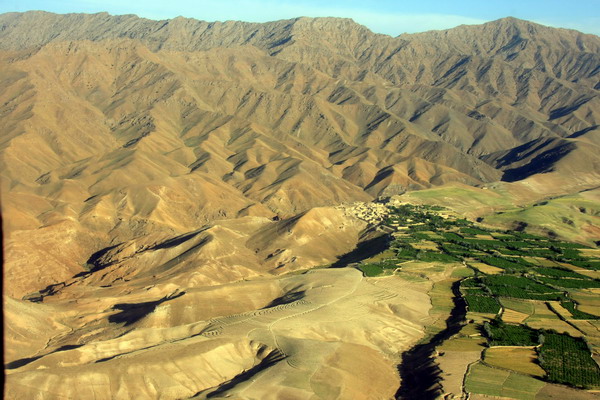
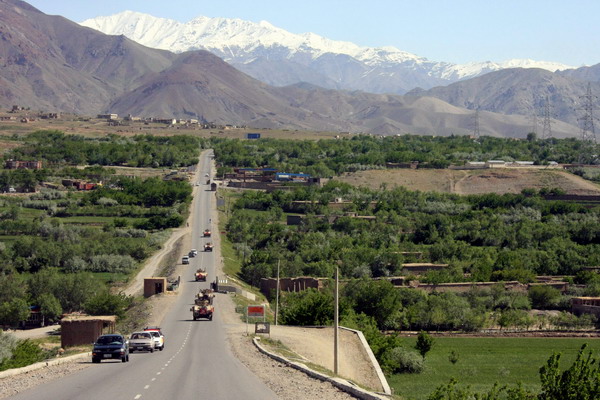
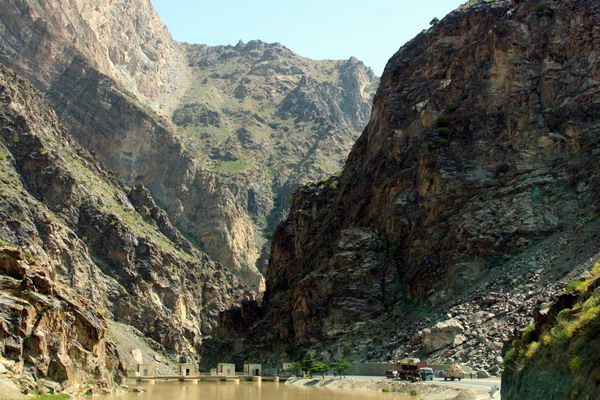
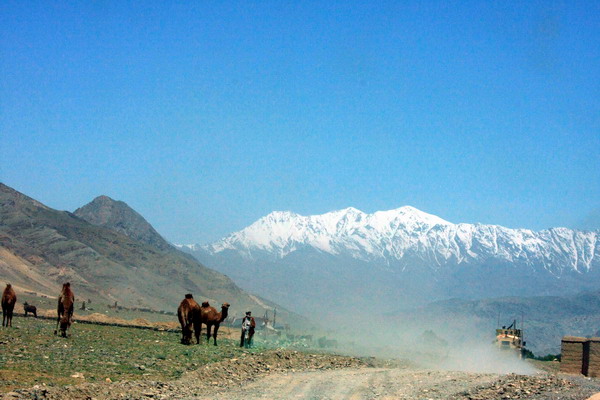
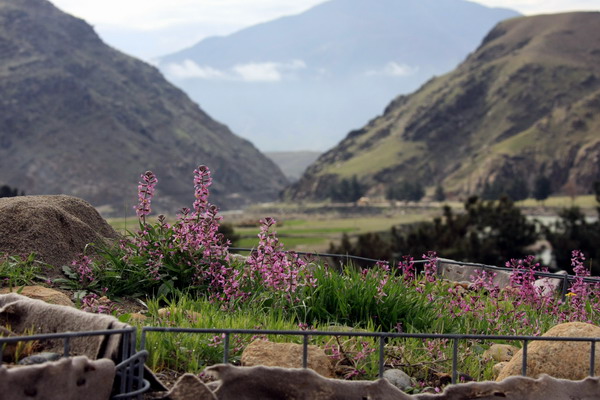
This vista is the Panjshir River in Kapisa.

Afghanistan Month 2 25.JPG

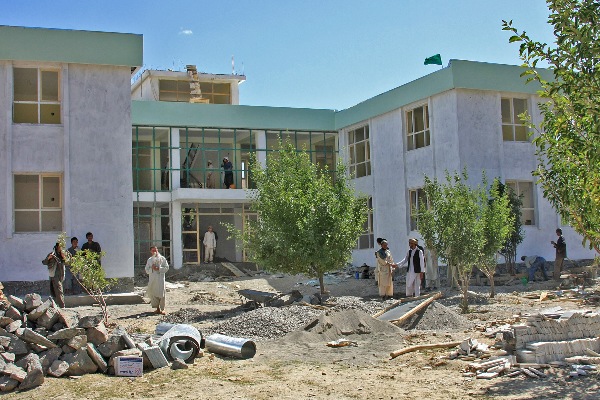
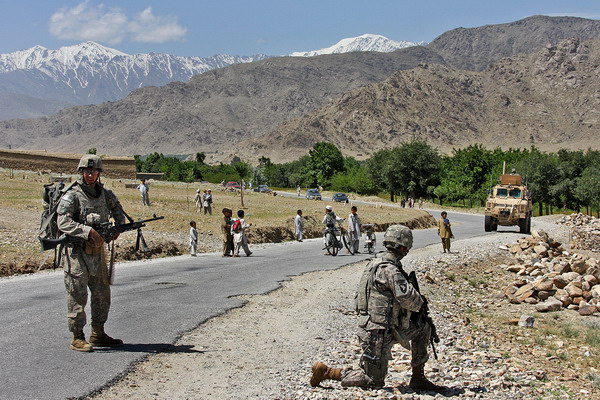
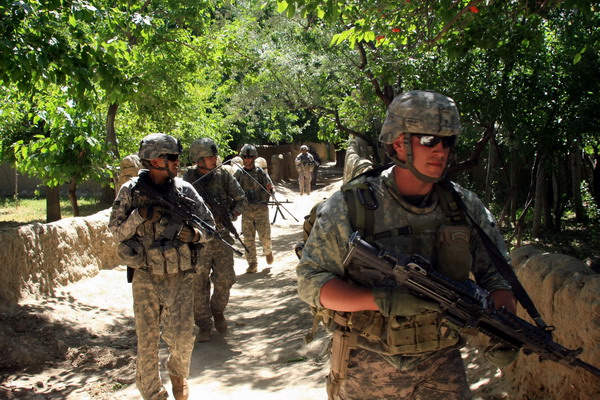
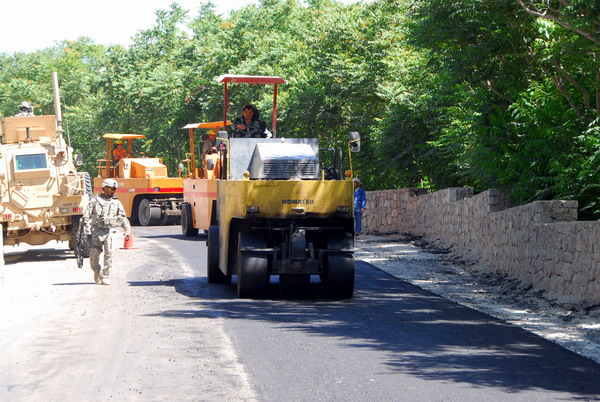
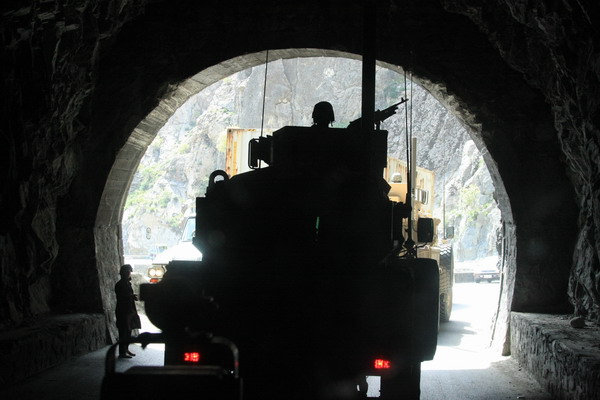
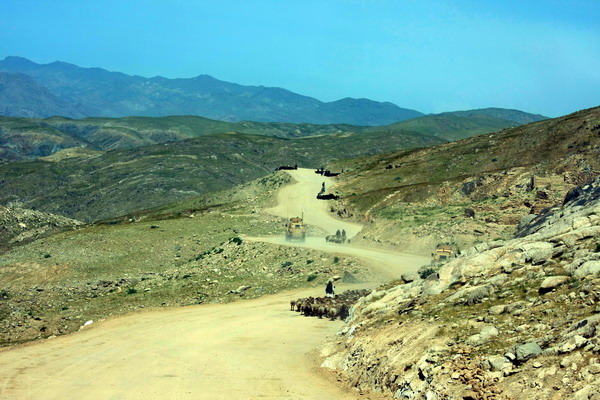
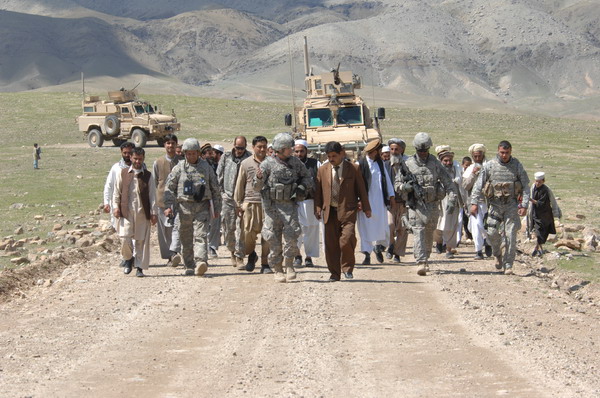
Our vehicles traveling on a road we're building.


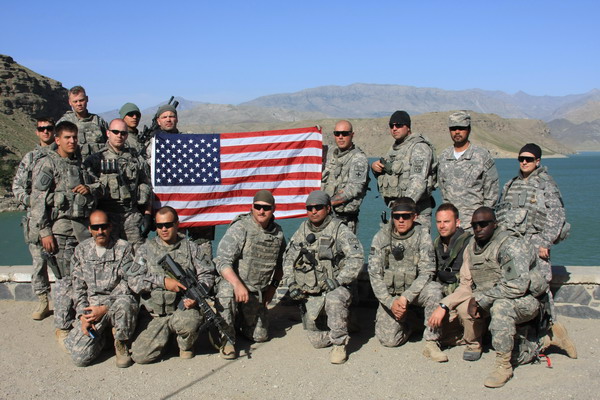
Afghanistan Month 2 23.JPG

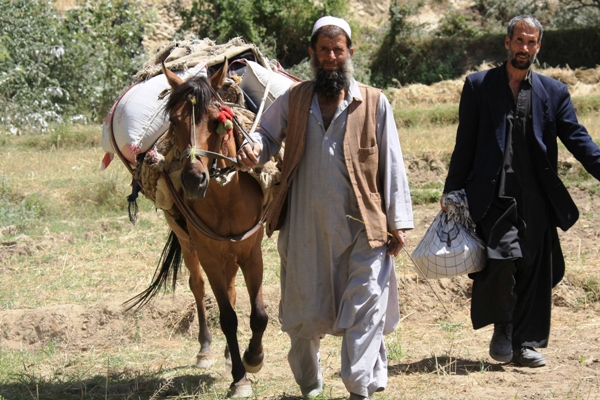
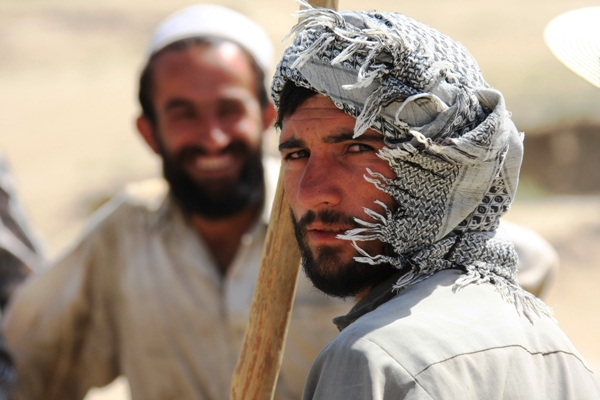
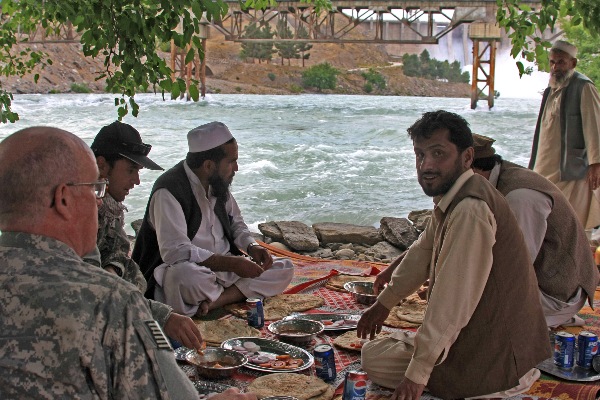
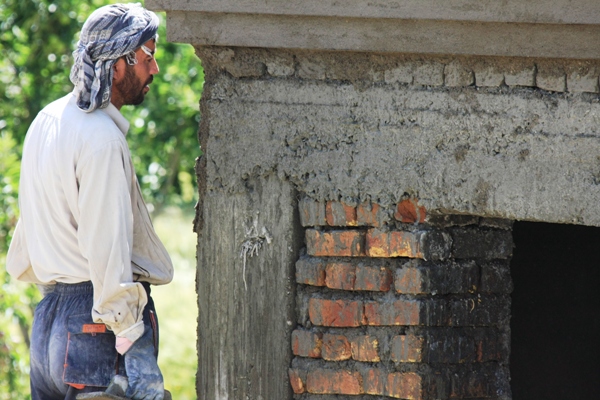
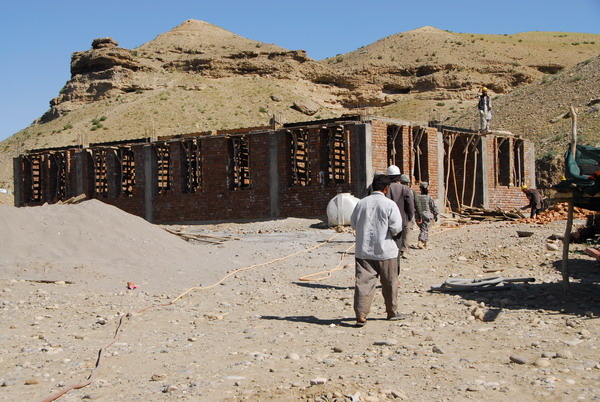
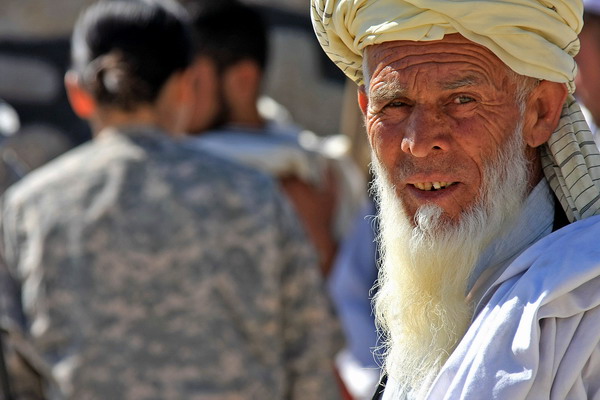
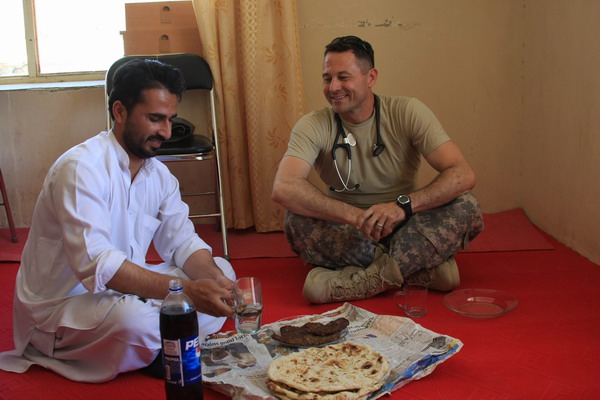
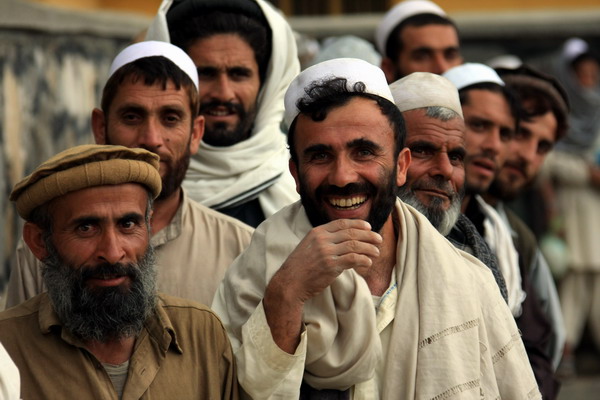
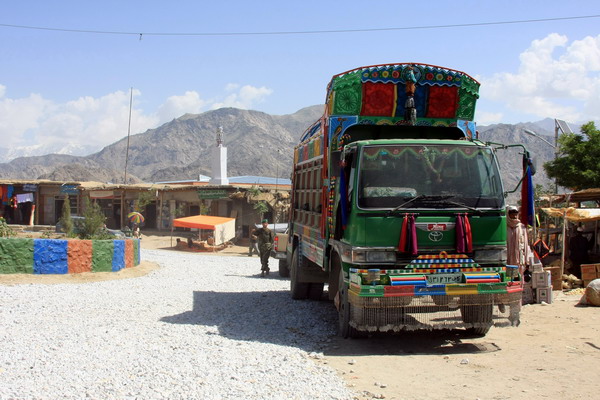
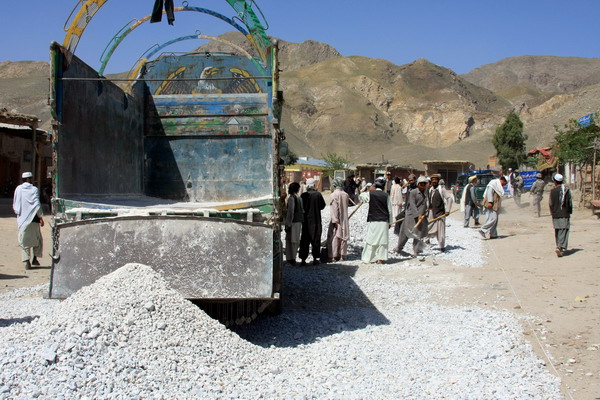
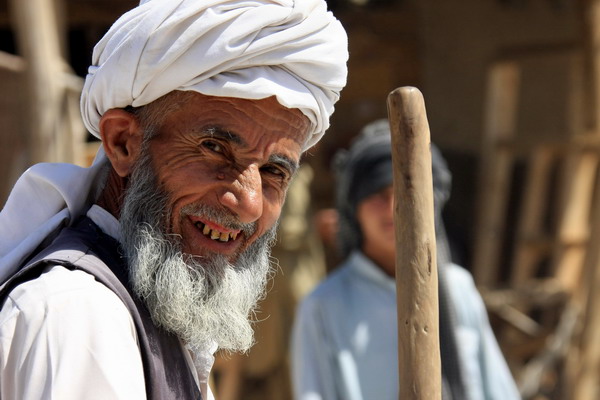
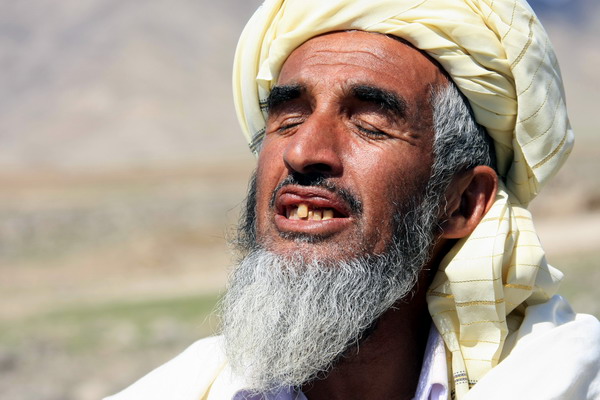
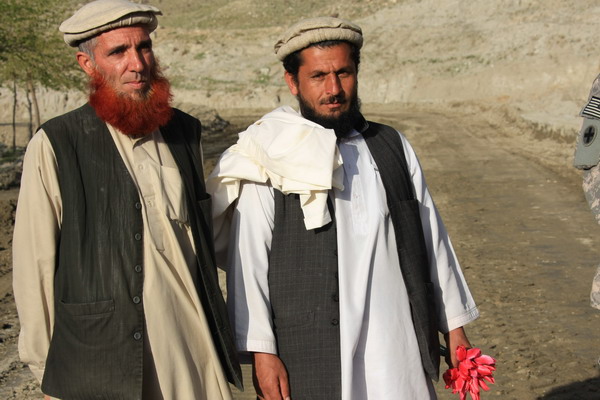
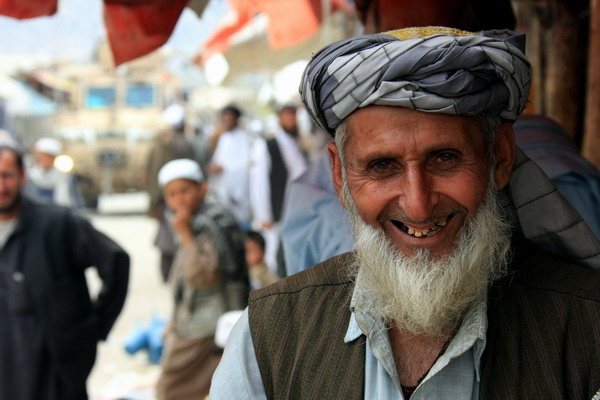
Here is that same contractor again. He's Pashtun and VERY jovial.


Afghanistan Month 2 24.JPG

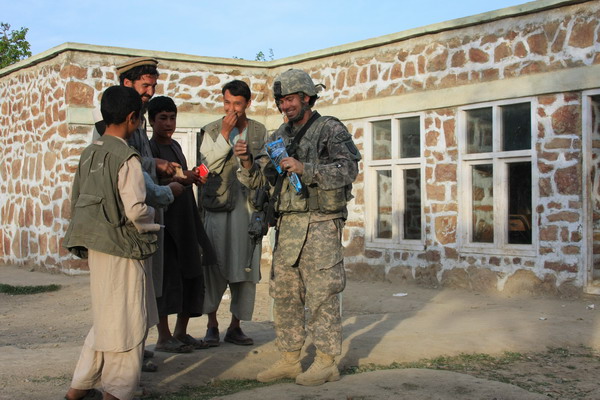
We stopped for a very quick meeting to say hello, but he insisted we have a bite to eat. He pays his 1000+ employees about $4/day (a very reasonable Afghan wage), but the big benefits are two meals a day and transportation to the mosque for prayers. Have I mentioned that Afghan food is tasty? Well, this image shows one of my favorite meals: dry bread with rice, dipped in a meat sauce.

Afghanistan Month 2 28.jpg

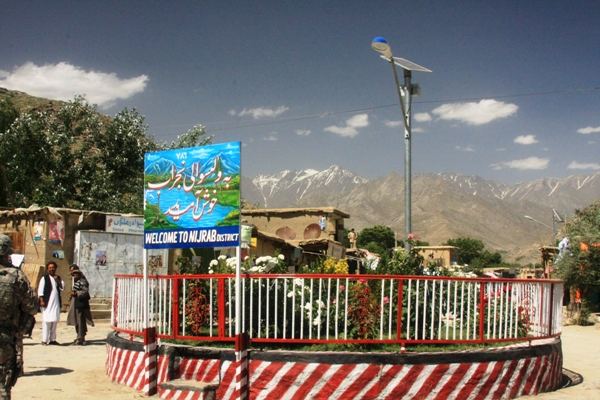
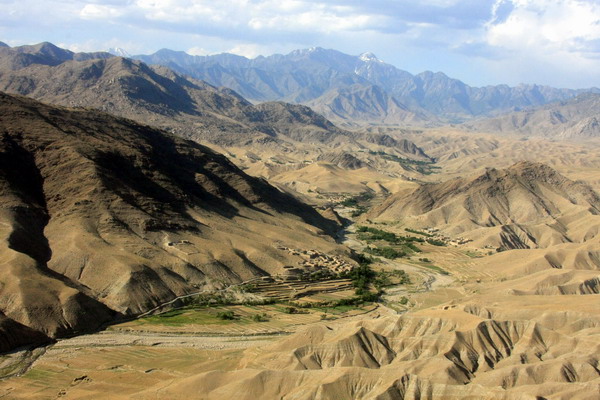
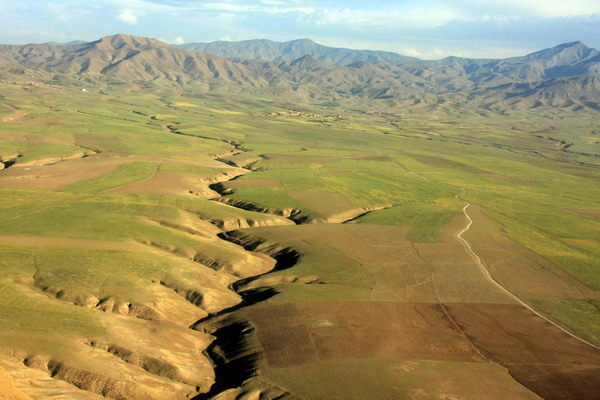
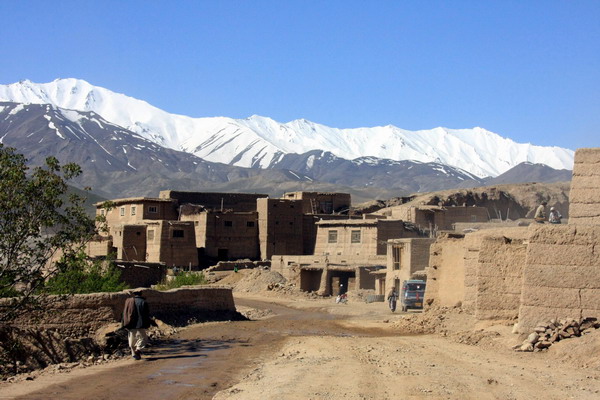
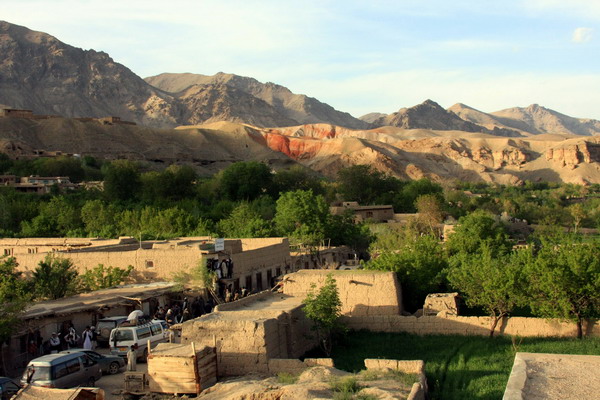
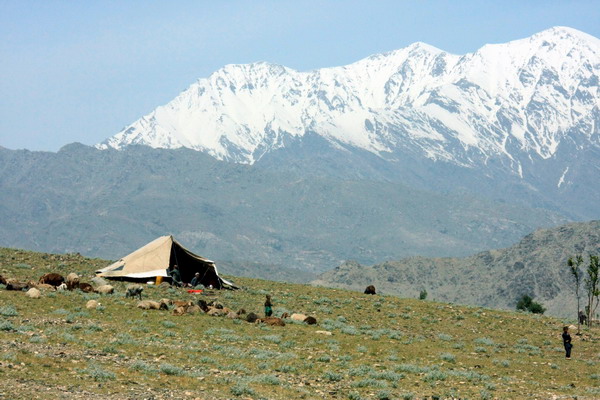
Here is another view of Parwan Province.

Afghanistan Month 2 29.jpg

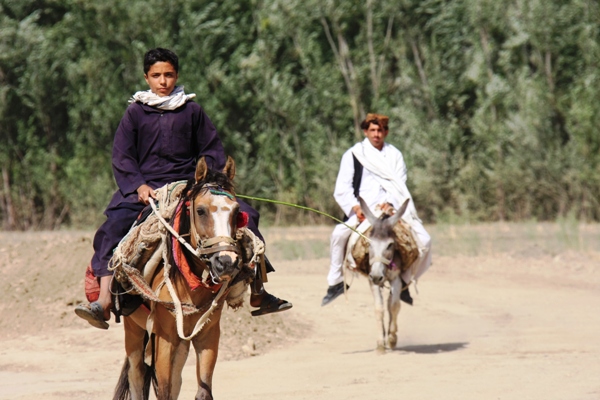
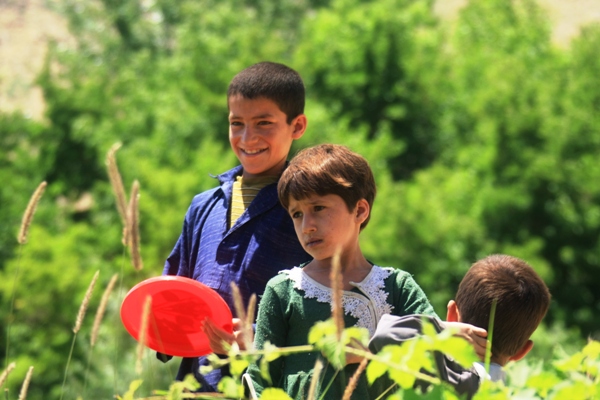
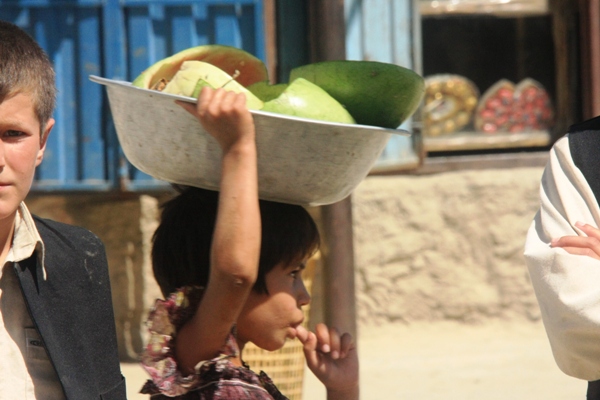
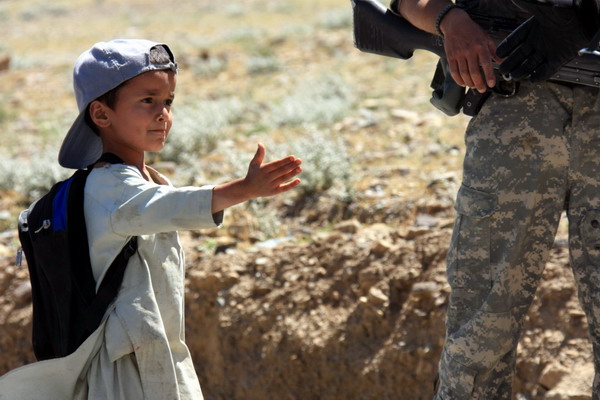
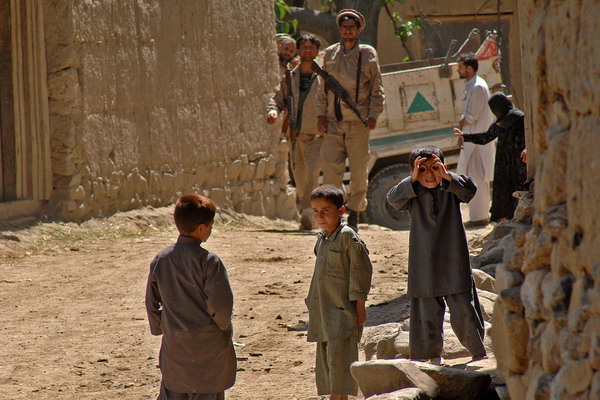
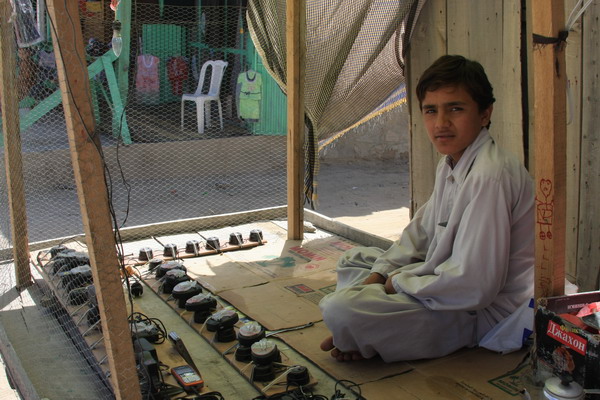
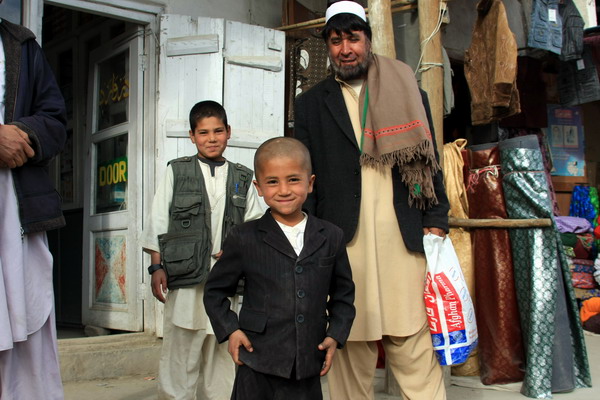
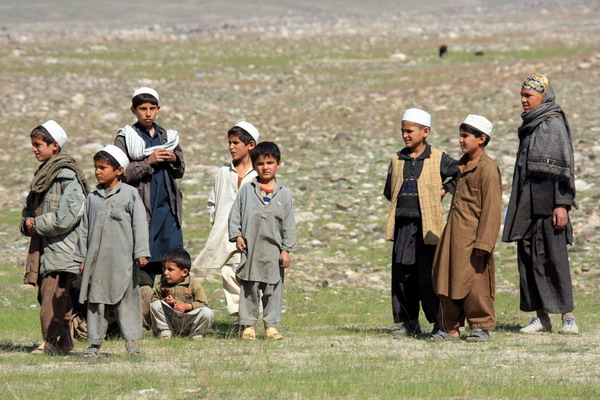
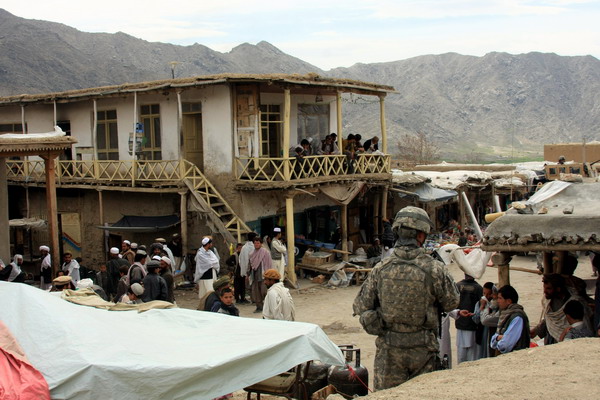
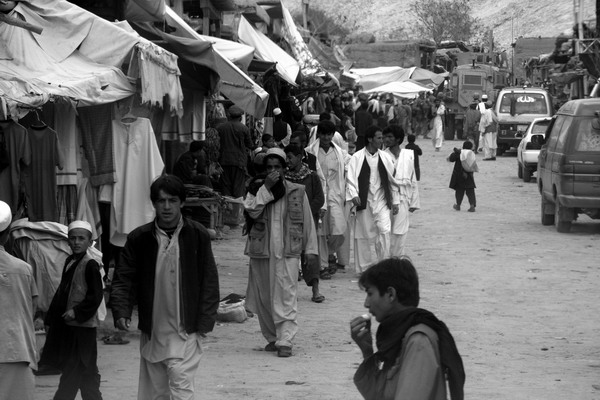
These boys are in a market in the city of Charikar.

Afghanistan Month 2 30.jpg

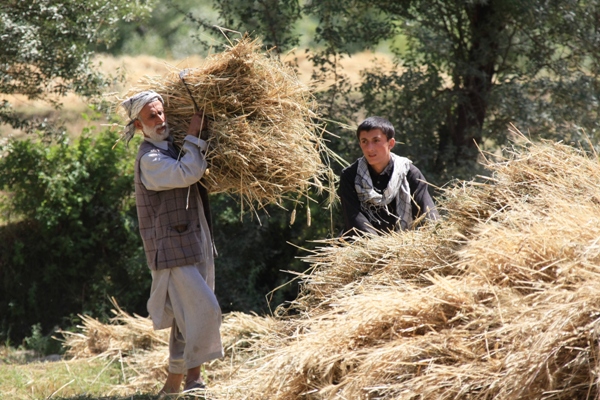
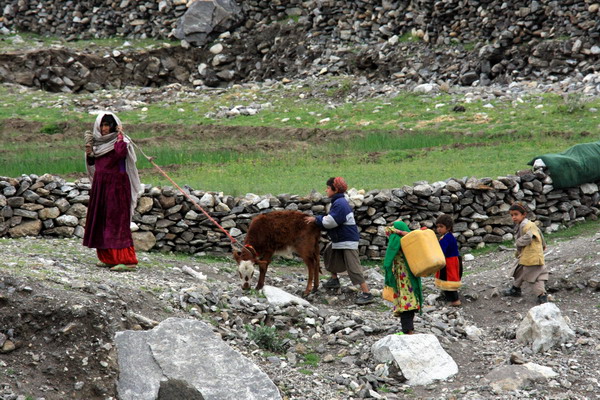
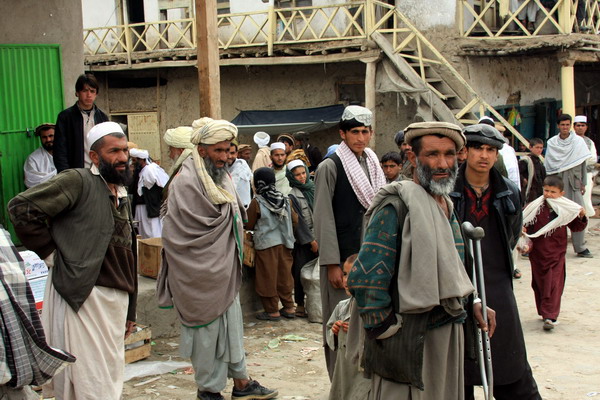
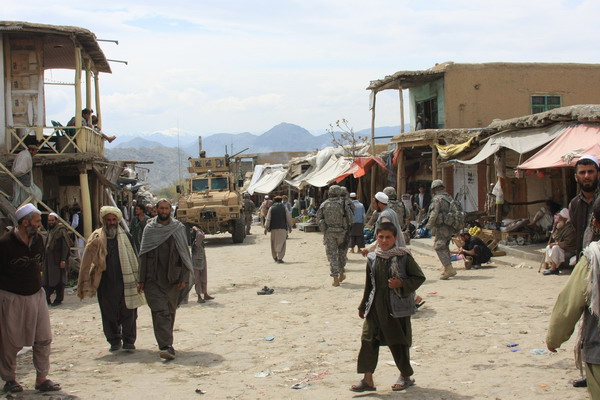
The contrast is stark here.


The next set of pictures is from our Christmas Eve party (and we repeated the event on New Year's Eve). Jon (our Doc) wanted to share his family's tradition with our team. So, we all enjoyed a cigar together on a cool Christmas Eve.

Afghanistan Month 2 31.jpg

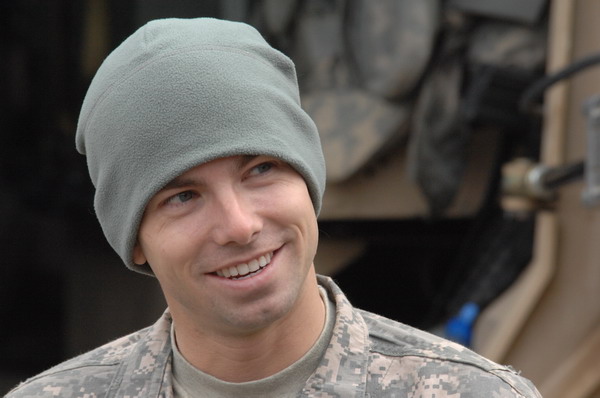
This is Patrick.

Afghanistan Month 2 32.jpg

The George.

Afghanistan Month 2 33.jpg

Cindy.

Afghanistan Month 2 34.jpg

Daniel, who is gifted with languages and computers.

Afghanistan Month 2 35.jpg

Todd, one of the other civil engineers, who does a great job, no matter what he's doing.

Afghanistan Month 2 36.jpg

Yes, I enjoyed a cigar too (sorry, Mom).

Afghanistan Month 2 37.JPG

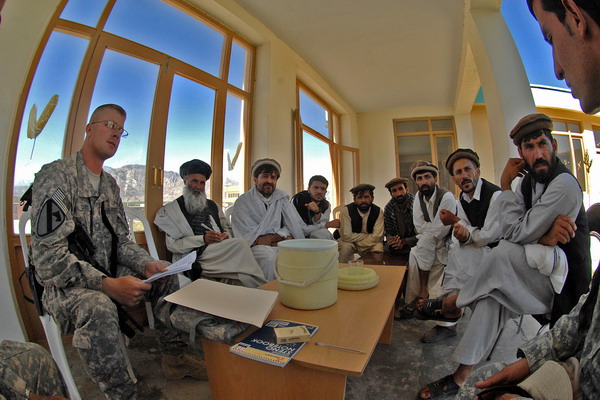
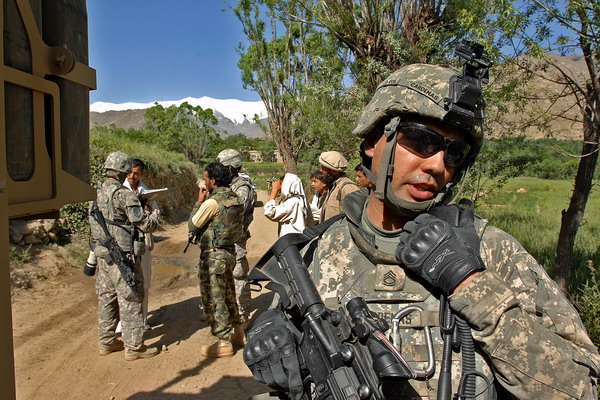
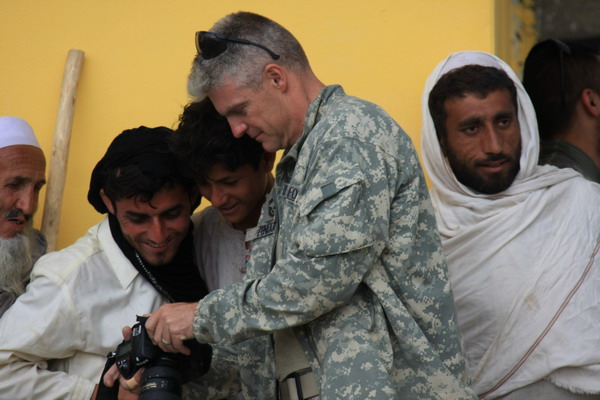
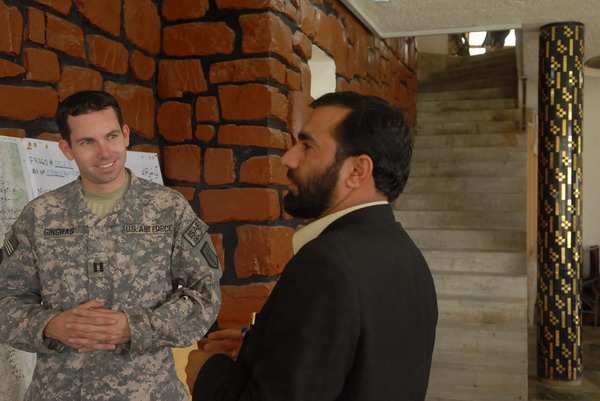
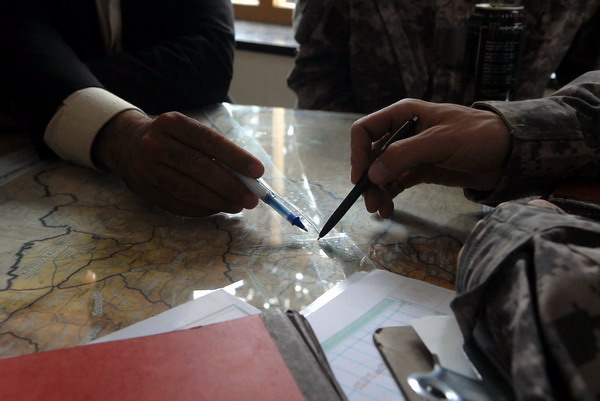
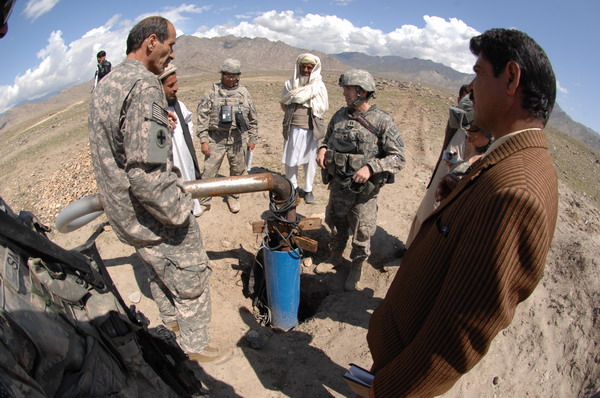
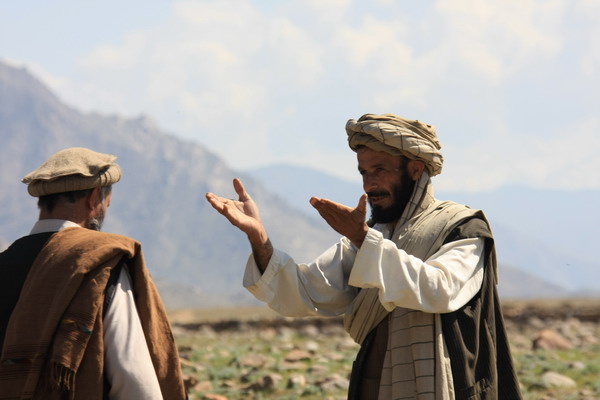
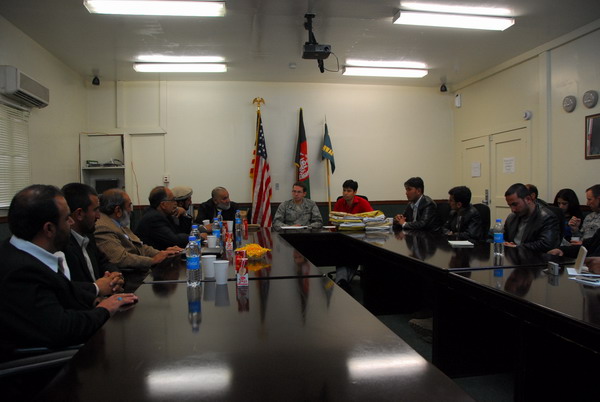
We have many meetings with the Afghans.

Afghanistan Month 2 38.JPG

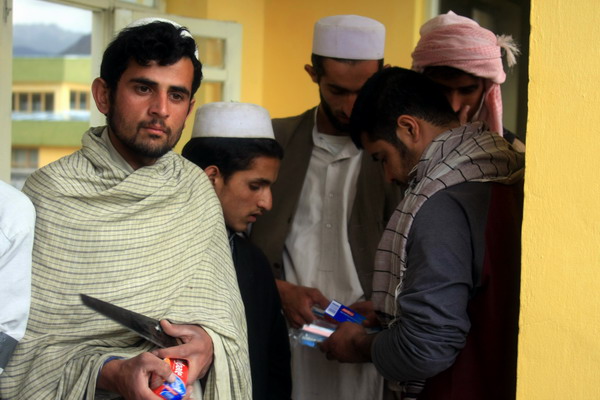
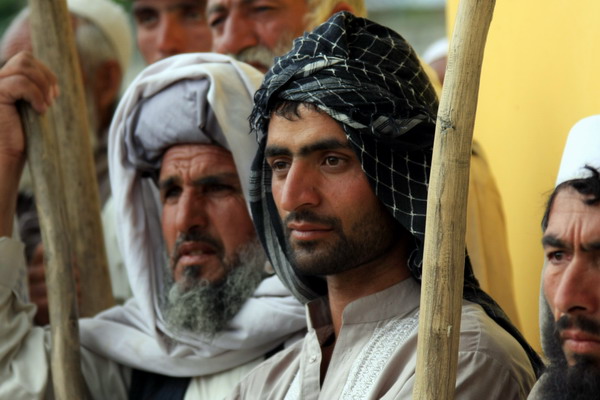
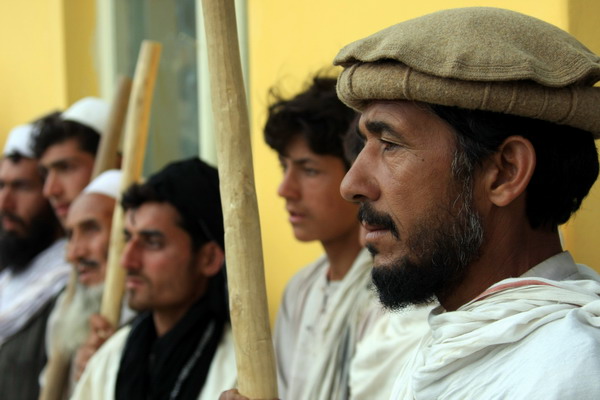
The Afghans also have many meetings with us. This particular one is to gain support from the leaders of the area around a proposed project. The idea is that we present project proposals that are technically viable and sufficiently planned to a board of Afghans. They then have a voice in the process to recommend a contractor. With that process, we gain buy-in and they can help ensure a quality project is produced. Although we (the US govt) retain final authority to choose a contractor, the Afghans help us choose the best contractor for every project.

Afghanistan Month 2 40.jpg

I know I look a little funny in this picture, but I was emphatically indicating where we needed to go.

Afghanistan Month 2 39.jpg

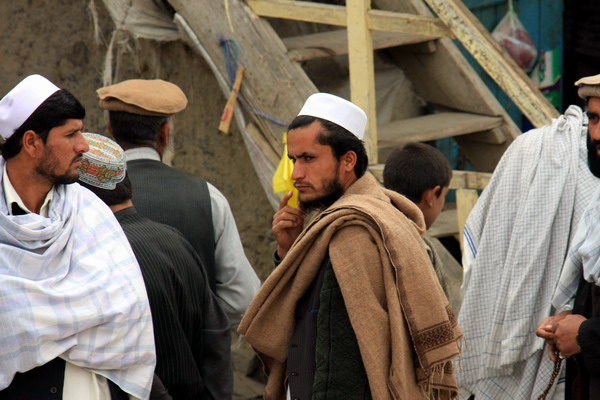
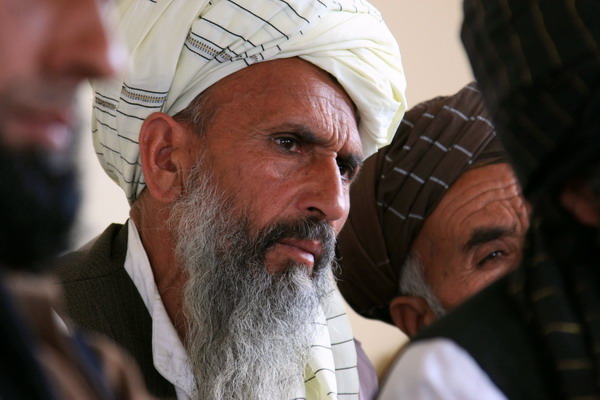
These gentlemen were in a meeting with us. I love the lighting in this image and the Chief added a great filter. Now, I think this image could be from an Afghan Van Gogh.

Afghanistan Month 2 41.jpg

I'm not sure if this color is natural or not, but it's certainly colorful.

Afghanistan Month 2 42.jpg

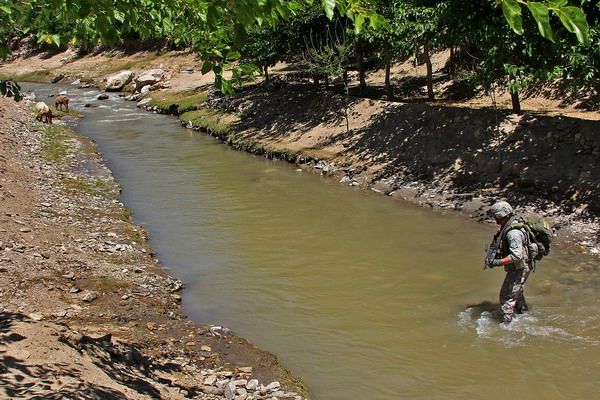
More interesting contrasts: the new and old, the water and desert and reflection and reality.


Those images depict our second month here. My time here remains a very rewarding and exciting experience.


I look forward to the summer when construction can resume in earnest.


Until the next post...


--Jim

]]>
Trips jim 2009-01-03T14:27:33+01:00
Afghanistan -- Month Two (Part 1) http://www.jimanna.com/archives/000166.html


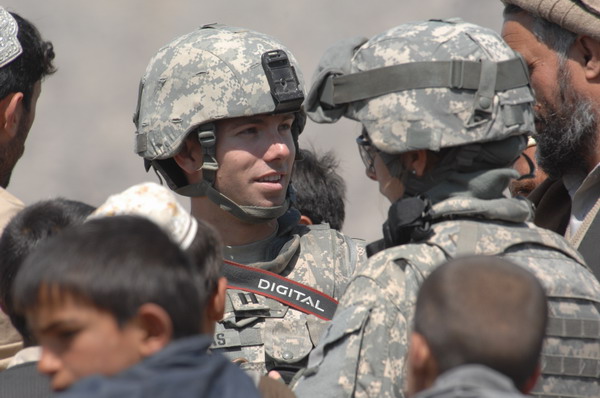
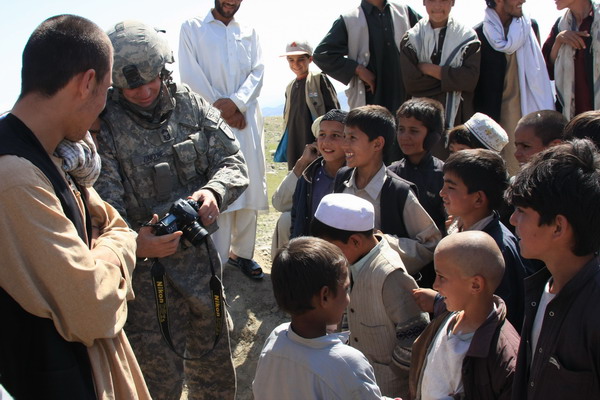
OK, now that we've been in Afghanistan for about 2 months, I thought it was about time to sort through all the pictures we've taken and show you a few. As was the case with the last post, most are my pictures, but not all. In the age of digital media, every time we doing anything, we photo-document the event.


Afghanistan Month 2 02.jpg

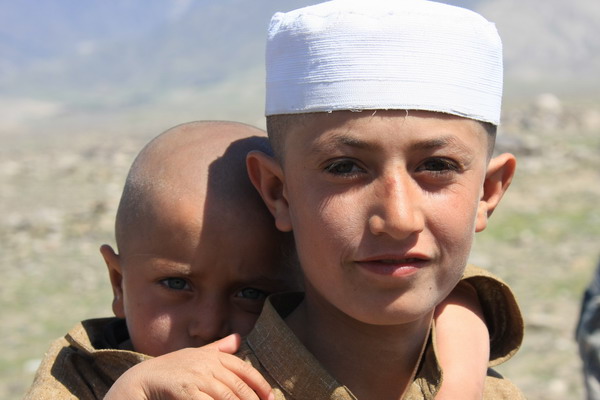
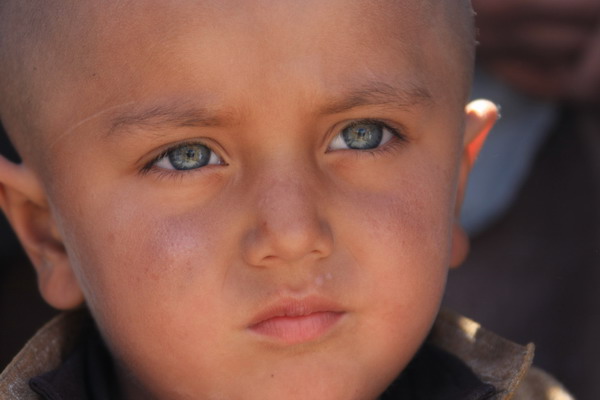
These boys are from a small village in northern Kapisa.


Afghanistan Month 2 22.jpg

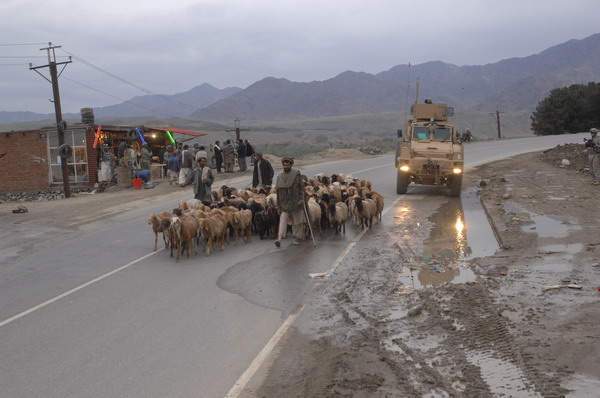
These goats and their herder are from the same area.


Afghanistan Month 2 03.jpg

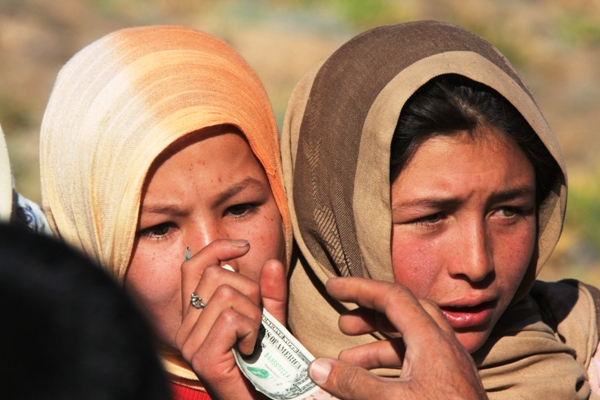
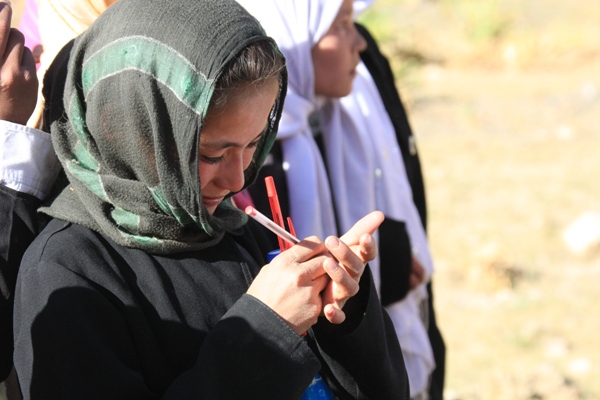
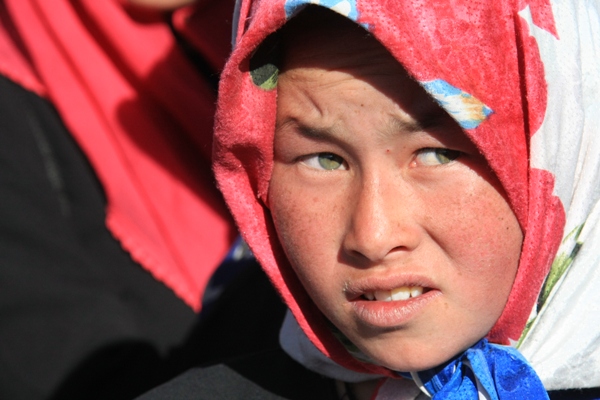
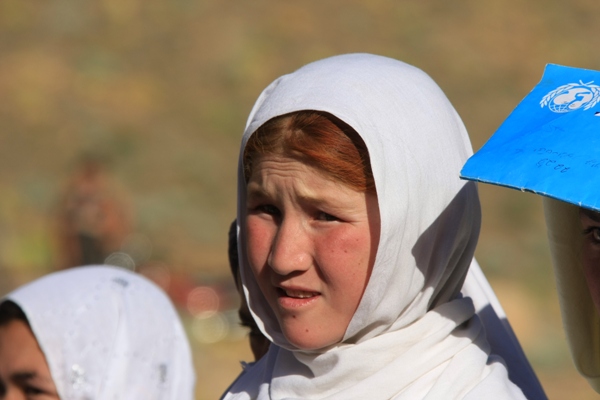
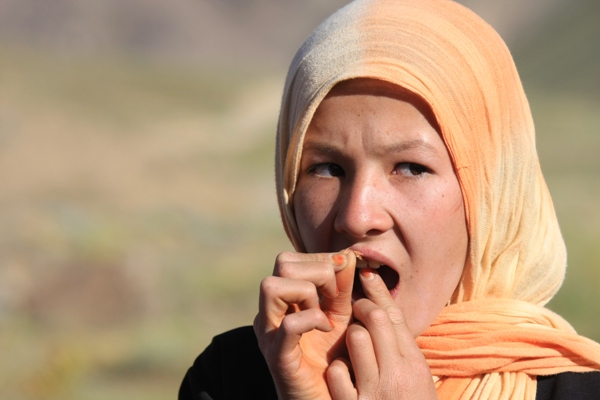
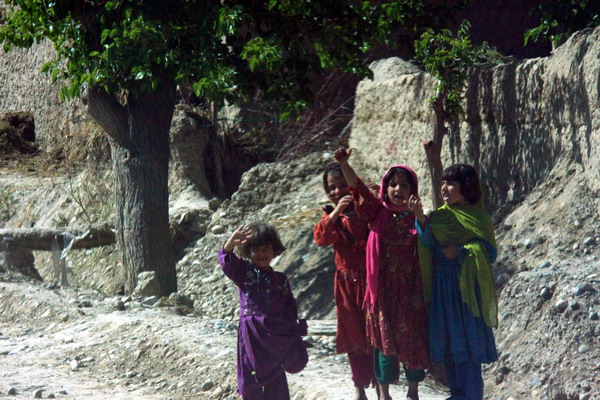
I love this girl's expression. When we move through towns and villages, we tend to attract attention. So, we also get a range of expressions: From awe and wonder, to apprehension, to fear, to joy, to resentment. It really covers the whole spectrum.

Afghanistan Month 2 04.jpg

Spice is a very important part of Afghan cooking. I've had the pleasure of tasting some very delightful meals. In fact, I would say that the food here is some of my favorite. Although I stay away from dairy products now, pretty much everything else is delicious. I highly recommend going to your local Afghan restaurant to try for yourself.


Afghanistan Month 2 12.jpg

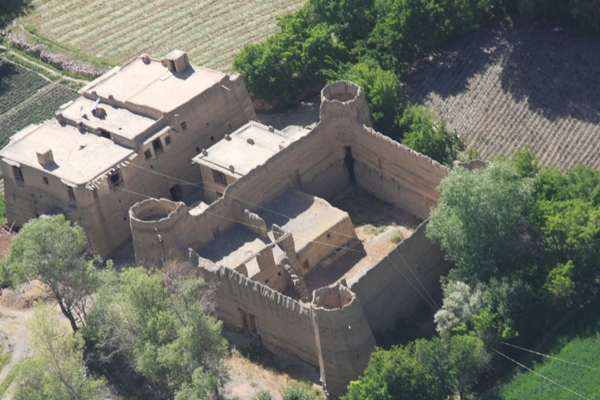
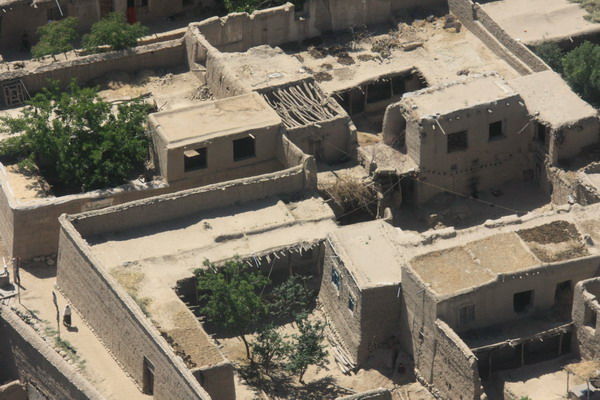
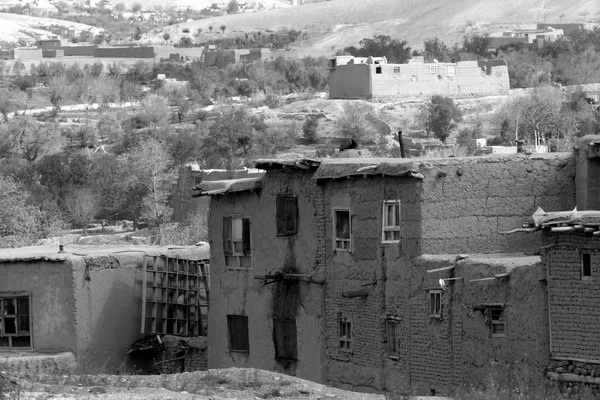
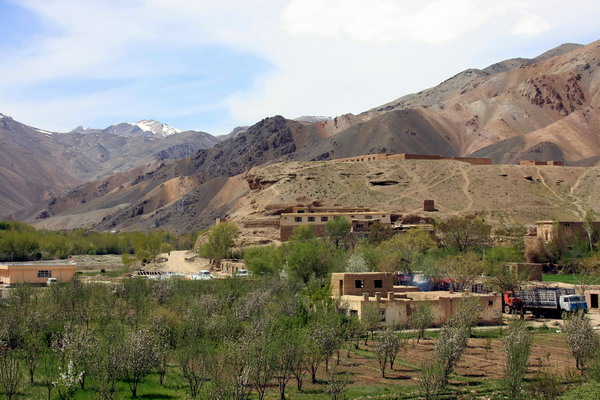
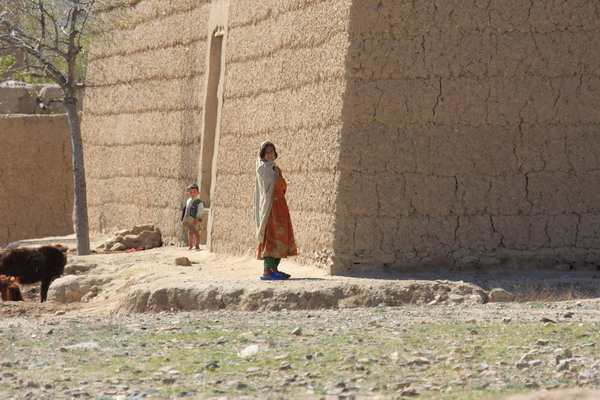
This khana (house) is very typical Afghan construction. It's from a trip we took in Parwan Province.

Afghanistan Month 2 13.jpg

When we went down to the embassy in Kabul, this colorful balloon seller was walking down the road.

Afghanistan Month 2 14.jpg

Although you can tell this image has been through Photoshop, it's a good representation of taking a building from conception to design and finally to completion. It is also from Parwan Province.

Afghanistan Month 2 15.jpg

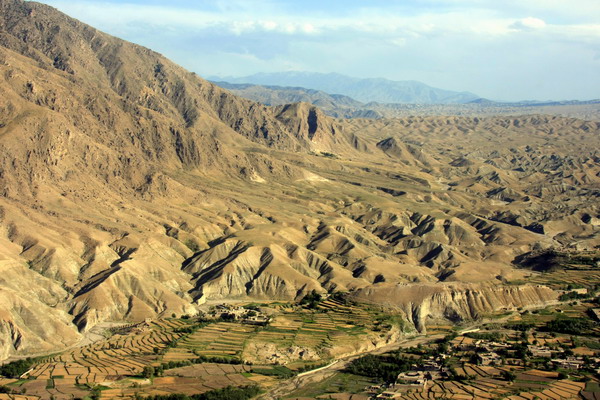
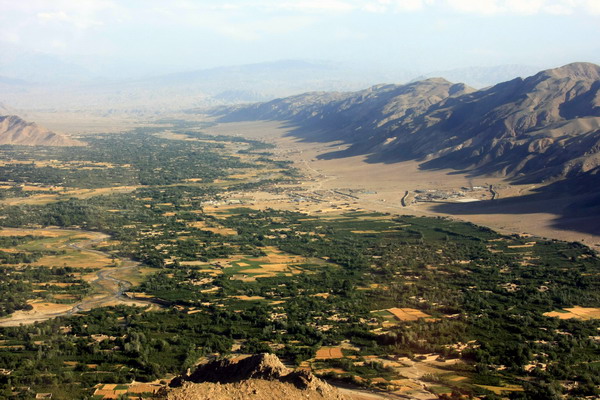
A great view over Kapisa Province.

Afghanistan Month 2 16.jpg

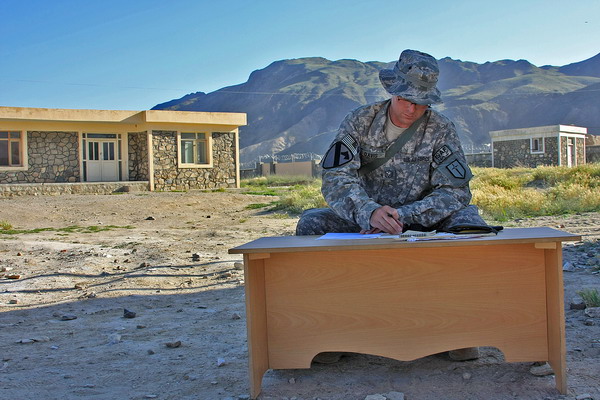
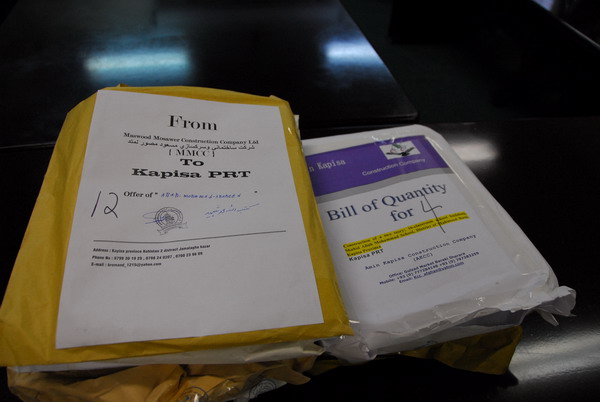
This is during a collection of contractor proposals. I think I was getting a little anxious and was ready to go...

Afghanistan Month 2 17.jpg

This is one of our contractors. You'll see him again in the next post.

Afghanistan Month 2 18.jpg

Here we are out inspecting a small bridge we built in Parwan.

Afghanistan Month 2 19.jpg

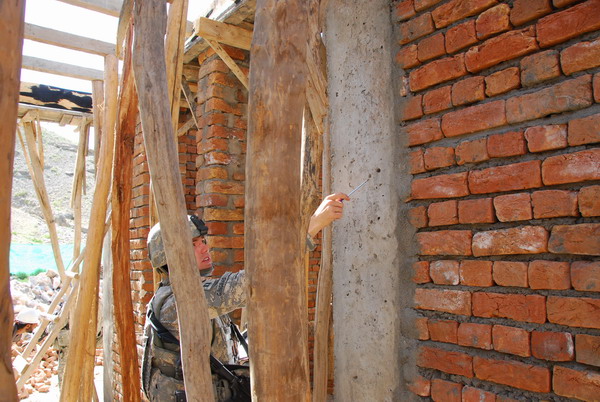
Taking notes to inspect the quality.

Afghanistan Month 2 20.JPG

I even had a little help taking the measurements.

Afghanistan Month 2 21.JPG

Here are some of the workers. The stone masons here can do incredible work.


Afghanistan Month 2 06.JPG

The Afghan government (with our help) puts on women's capacity building training on a regular basis. Often, it’s in the form of successful Afghan women (elected leaders, judges, doctors, ect) who come and speak to other Afghan women to educate them on ways to improve their station in life. The idea is that if women know more about their rights and have a greater voice in society, then the more moderating influence they have. Although there are parts of our area that too conservative (read: women's rights repressed), most areas are very receptive to this type of training.

Afghanistan Month 2 07.jpg

The Afghan constitution also stipulates that there will be a certain number of women representatives (30%). She is an example of that and is a member of the provincial council, which is part of the elected leadership of the province.

Afghanistan Month 2 10.JPG

Many were lined up, waiting to come in.

Afghanistan Month 2 11.jpg

This image is from the recent visit by President Bush. Although I didn't get a chance to meet him, it was a nice gesture that he stopped to say hello. Fortunately, no one here threw their shoes at him.


So, that concludes this post. I will have another one shortly.

Until then....

--Jim

]]>
Trips jim 2009-01-01T09:40:37+01:00
Afghanistan -- Month One http://www.jimanna.com/archives/000165.html Well, I have now been in Afghanistan for a month and a half ... and this country is as beautiful, amazing and more troubled than I remembered. However, I feel that although we have a long way to go, progress is being made. As you may recall from my post in October, my role here is the lead engineer on a provincial reconstruction team for Kapisa and Parwan provinces. My team is made up of military from the Air Force and Army, as well as civilians from the Departments of State, and Agriculture, and the US Agency for International Development. Our role is clear: help the Afghan people by helping to improve Afghan government, infrastructure and rule of law all to enable economic development and prosperity. At the same time, Afghan and coalition forces provide the requisite security.


I truly believe once people believe that their government is legitimate and enduring, trust their court system, have the ability to earn a licit salary Afghans will end this conflict themselves. I work everyday with Afghans and their enduring hope for the future gives me reason to work as hard as possible to help them realize their dream of a safe, stable, and successful homeland.


This is truly a worthy cause that the international community needs to see through to completion.


Afghan Web 1 01.JPG

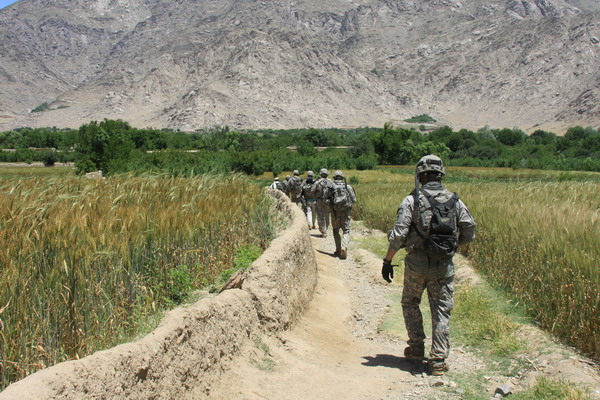
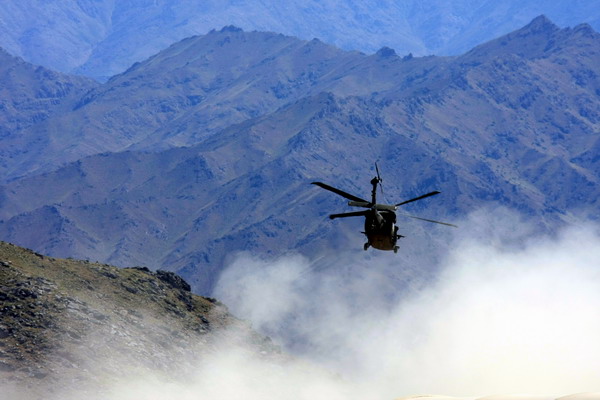
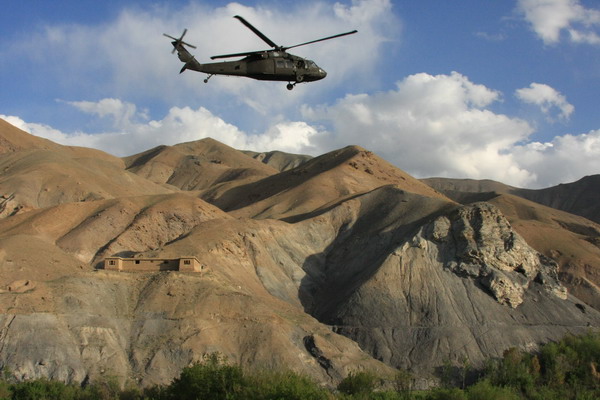
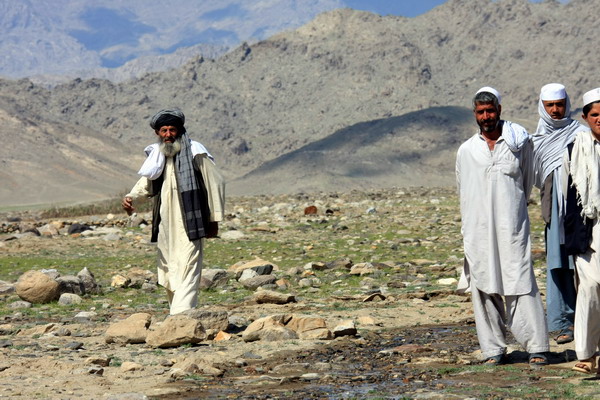
You can see from this picture just how ruggedly beautiful this country is.

Afghan Web 1 02.JPG


This picture is a little out of order, but it's from the flight in on a C-17. You can see varying levels of anticipation in everyone's face.


Afghan Web 1 03.jpg


This is Lionel directing the operation. We were out making sure our weapons still worked.


Afghan Web 1 04.jpg

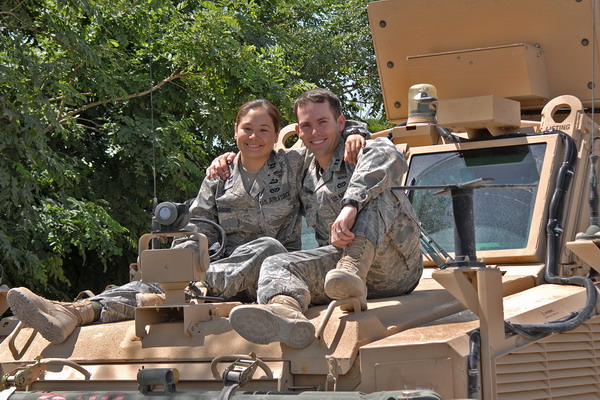
SGT Durden (on the right) always has a smile, great attitude and is a member of the hard working security force for our team.


Afghan Web 1 05.jpg

JePe (pronounced Hep Pay) checking our perimeter.


Afghan Web 1 06.jpg

Yep, the weapons still work.

Afghan Web 1 07.jpg


Afghan Web 1 08.jpg

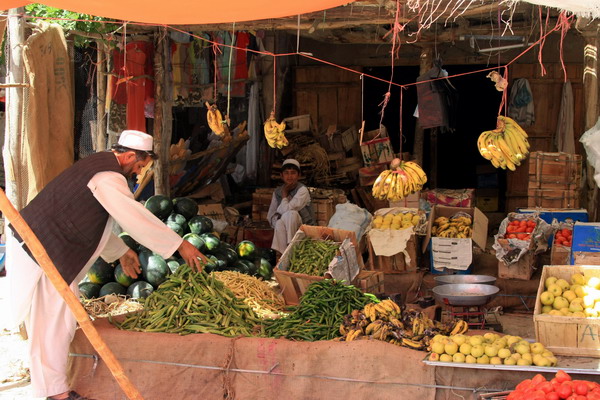
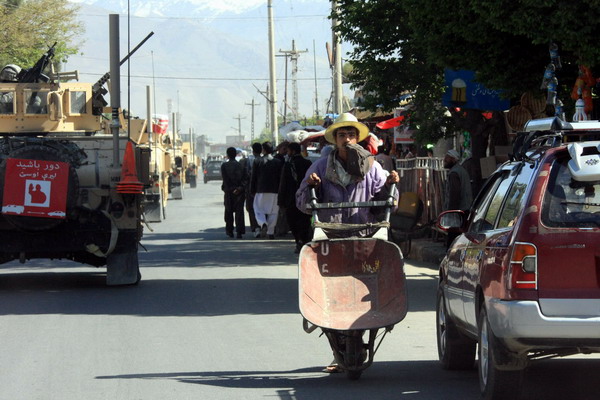
This is probably the most common form of commerce in Afghanistan. A small booth along the road. As you can imagine, the better the road, the better the access to markets. As such, we're very focused on building and improving roads.

Afghan Web 1 09.jpg

This vendor is selling my favorite Afghan produce, pomegranates. These tasty treats were first cultivated in this area and are grown extensively in the area. One of our projects was to help connect farmers in our area to local markets. Economist Article on Pomegranates This fruit has the potential to be a cash crop and replace poppy production in some parts of the country. We're also working on two saffron development projects with a similar goal.


Afghan Web 1 10.JPG

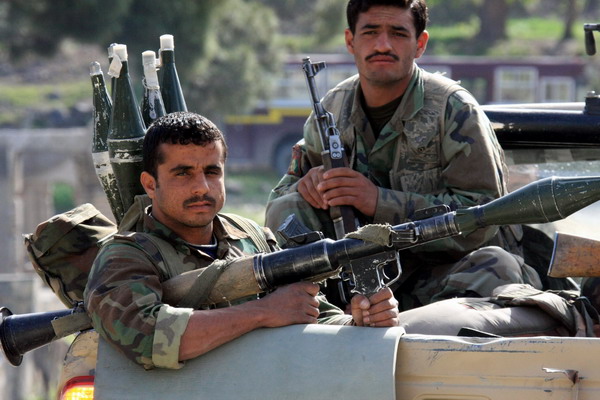
Many remnants of the Soviet War still remain.

Afghan Web 1 11.JPG

You can see why passable roads are important.

Afghan Web 1 12.JPG

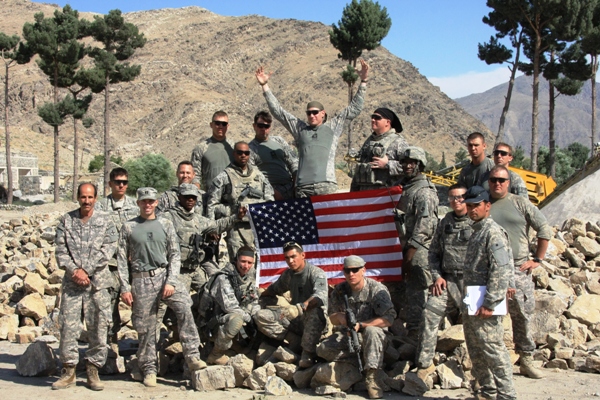
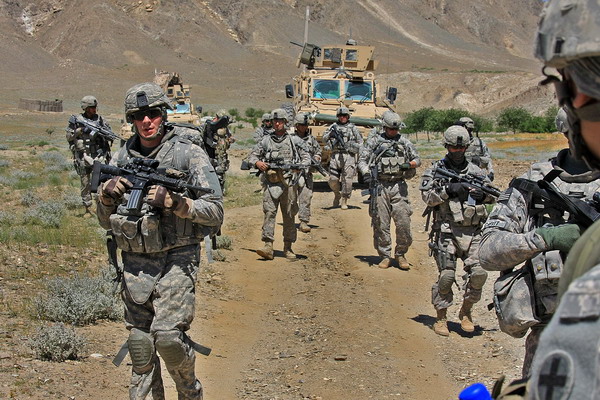
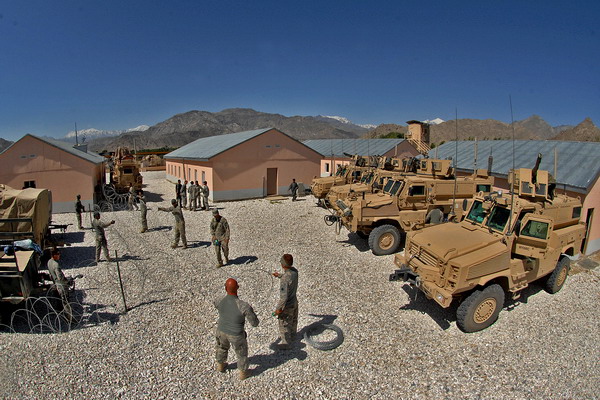
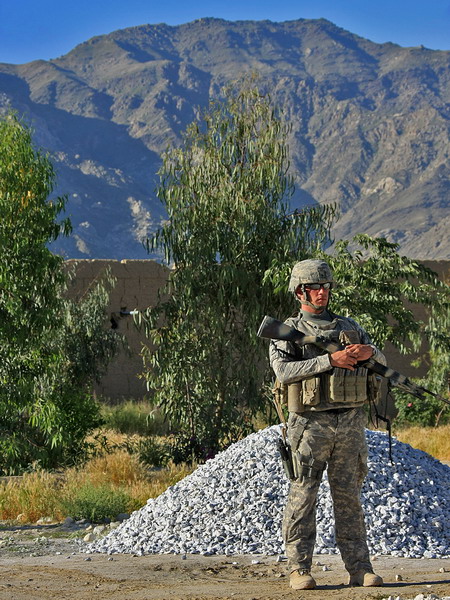
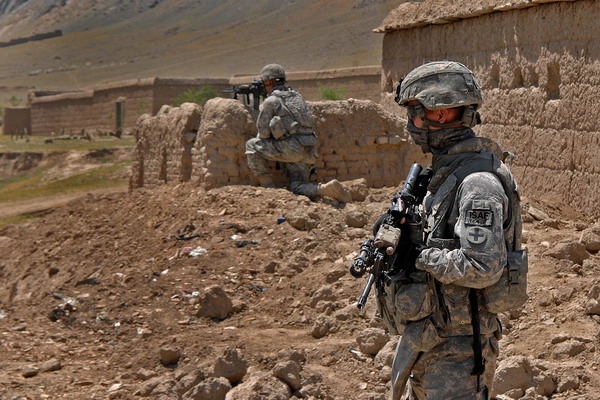
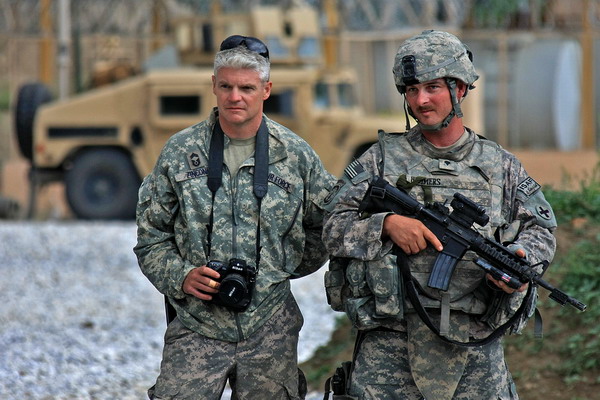
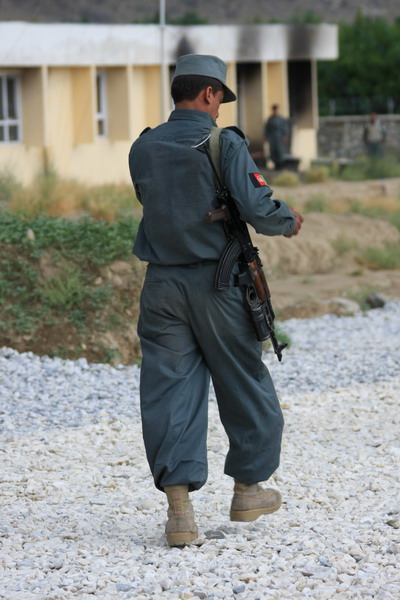
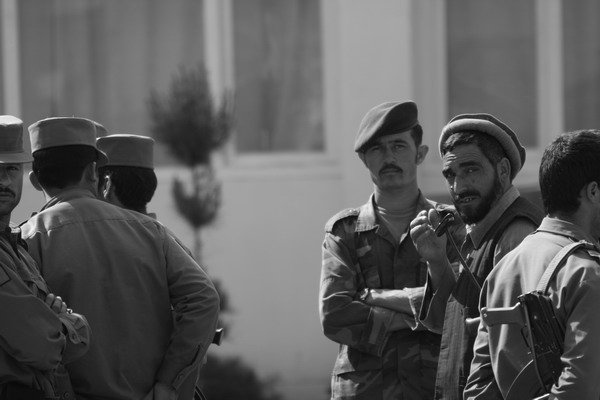
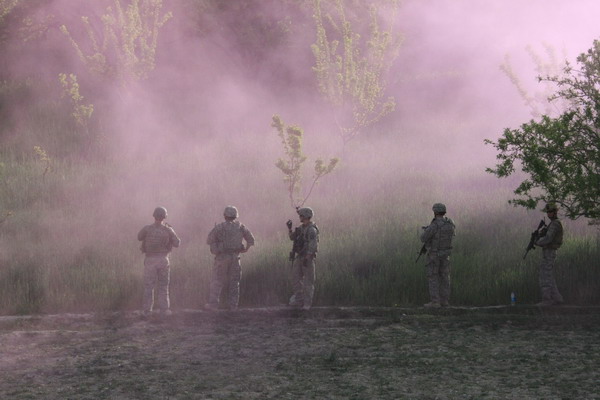
These guys are the ones who ensure we're safe as we go around the countryside.

Afghan Web 1 13.JPG

Afghan Web 1 14.jpg

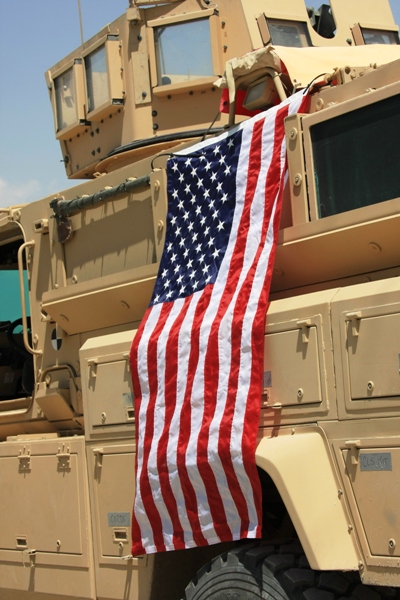
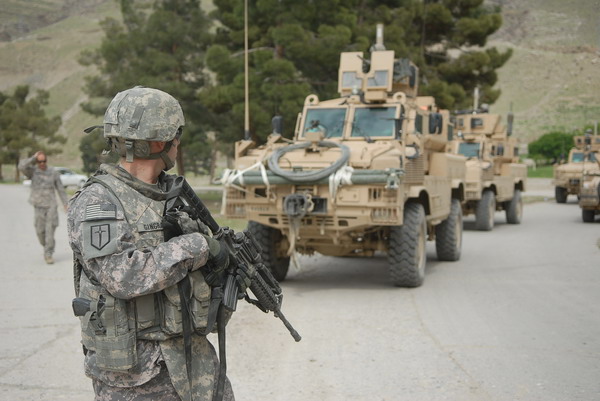
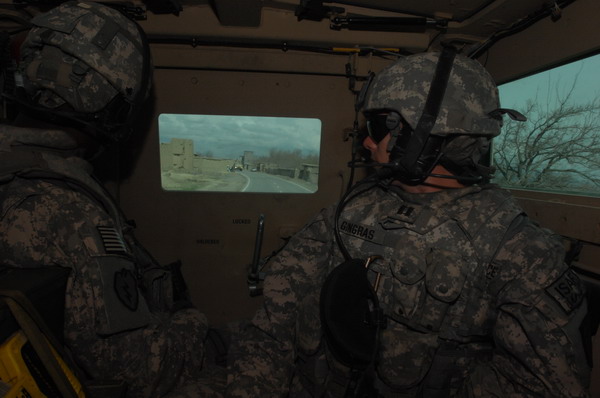
I'm sure you recognize the up-armored HMMWV on the left, but the vehicle on the right is an MRAP and provides even more protection.

Afghan Web 1 15.jpg

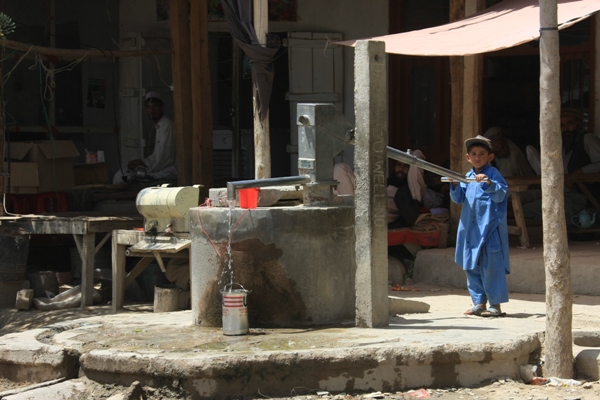
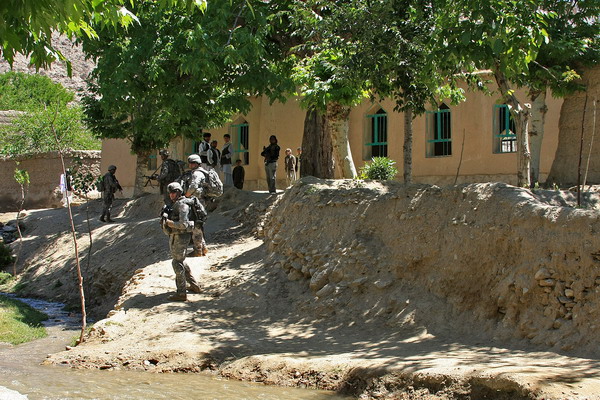
A typical Afghan village.

Afghan Web 1 16.jpg

This is an image from one of the austere FOBs we stayed at. Although it was small, the campfire was a nice touch.

Afghan Web 1 17.JPG

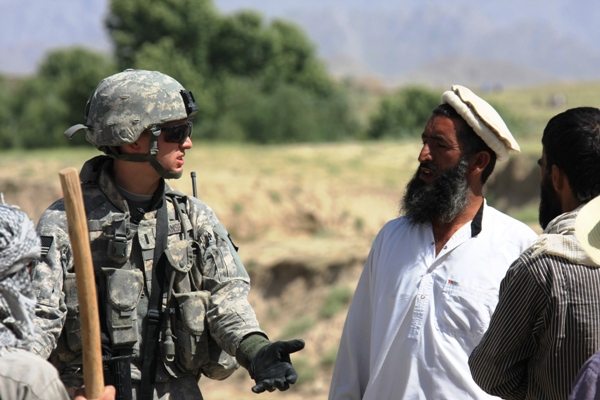
The guys had fun sitting around telling stories. The Afghan National Army also has some soldiers here. So, I enjoyed having a traditional meal with their commander. He has some very interesting ideas on how to solve the problems of his country. As you might imagine, he believes that security is the number one problem (I didn't disagree). However, to fix it, he recommended, "instead of sending another 20,000 American troops, use that same money and train 100,000 more Afghan soldiers. We know our country and with enough people, we can get it done right. I am willing to die for my country. I don't want you to have to." Although the solution isn't viable, it was a very interesting conversation. Keep in mind, this whole exchange was done through an interpreter. Although I am learning Dari (Afghan Persian ... the language of many people in Afghanistan), I am not even close to fluent. So, without the help of these unsung heroes, we couldn't hope to succeed.

Afghan Web 1 18.JPG

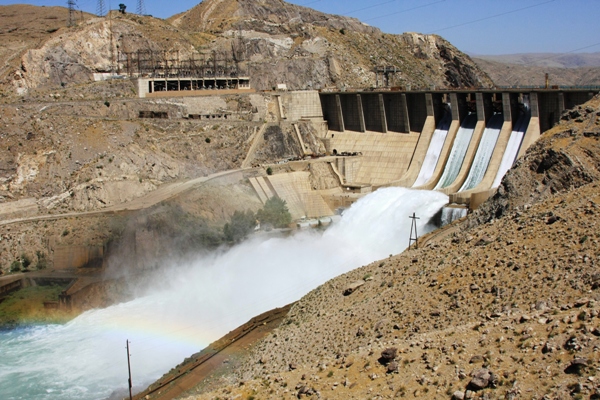
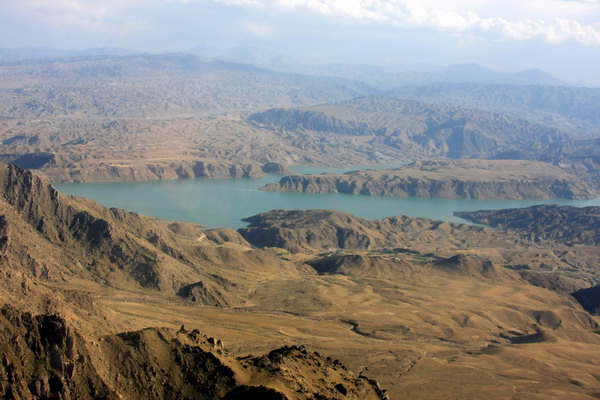
This is Naghlu Dam and provides a great deal of power to Kabul. Unfortunately, it doesn't power any of the surrounding region, a region that is particularly unstable. Someone at the Embassy told me, "this war can't be won in Kabul, but it can be lost in the provinces." Perhaps we can renovate this hyrdo-electric power source and use part of the power to electrify the surrounding valleys.

Afghan Web 1 19.JPG

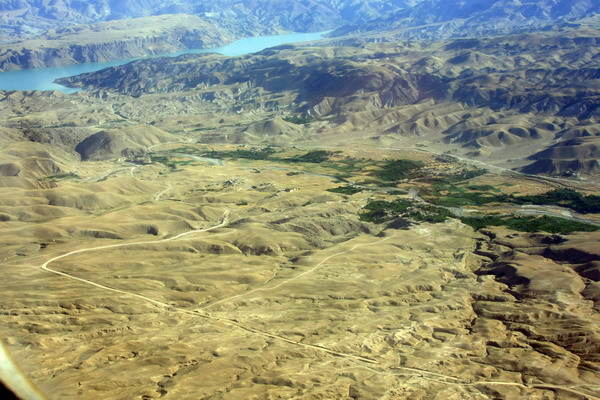
Although the electricity would be great for this area, water is its lifeblood. So, the proper management of that resource is paramount.

Afghan Web 1 20.JPG

It is a very pretty lake. The water and arid area make a stark contrast.

Afghan Web 1 21.JPG

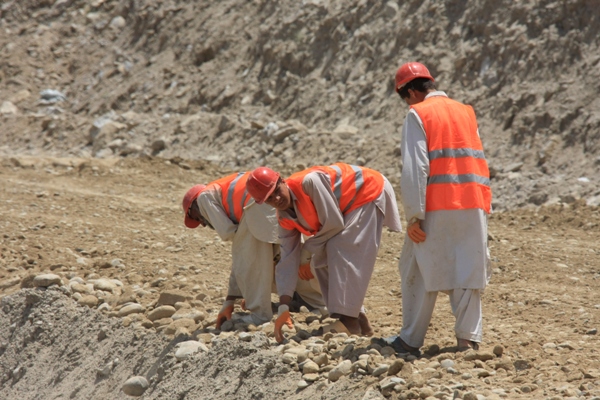
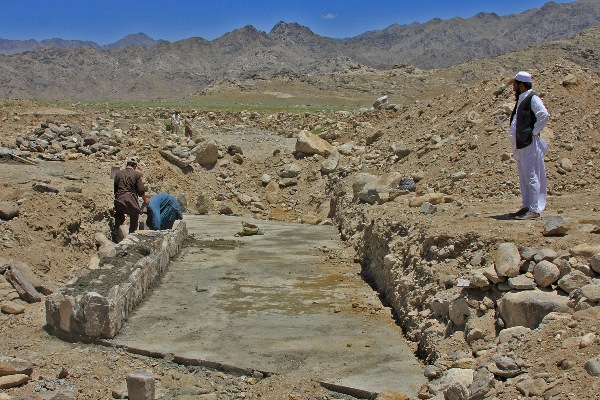
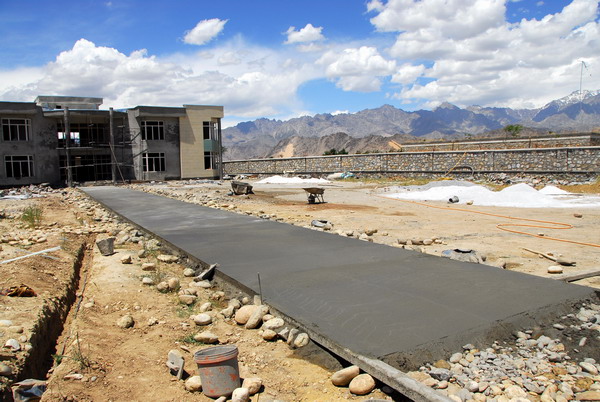
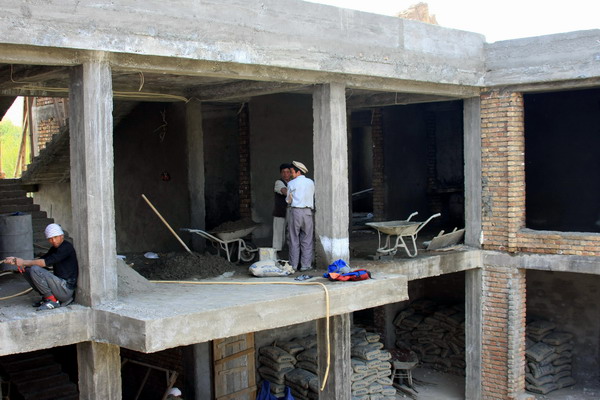
This is one of our projects, building a road where there was none before. Although there is heavy equipment working on the road, we like to see a large local workforce on the project. It means they have a greater sense of ownership and provides a job for a large number of people.

Afghan Web 1 22.JPG

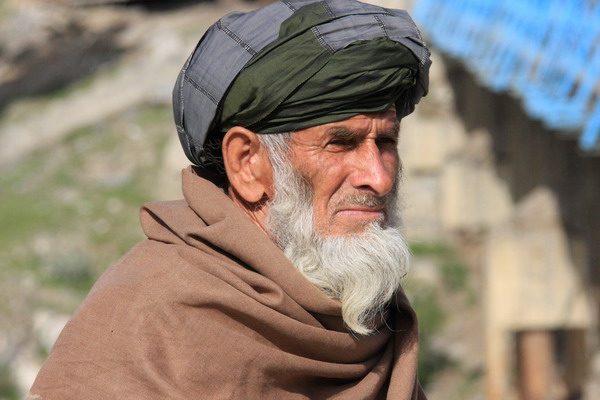
You can see one of the village elders points in the direction of his house.

Afghan Web 1 23.JPG

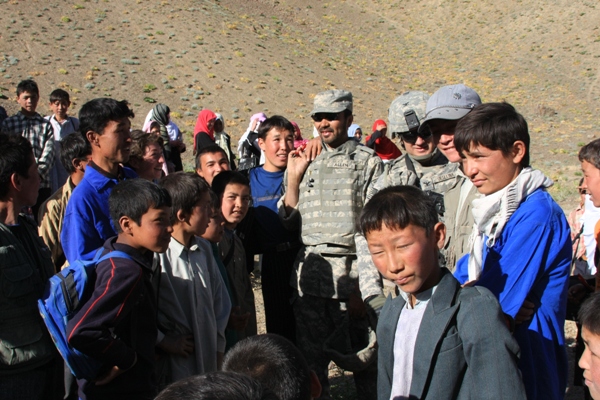
We always attract a lot of attention. Our security force provides a vigilant overwatch.

Afghan Web 1 24.JPG

A pretty sunset over Naghlu lake.

Afghan Web 1 25.jpg

Our convoy.

Afghan Web 1 26.jpg


Afghan Web 1 27.jpg


Afghan Web 1 28.jpg


Afghan Web 1 29.JPG


Afghan Web 1 30.JPG

We love this billboard because it says so much, so well.

Afghan Web 1 31.JPG

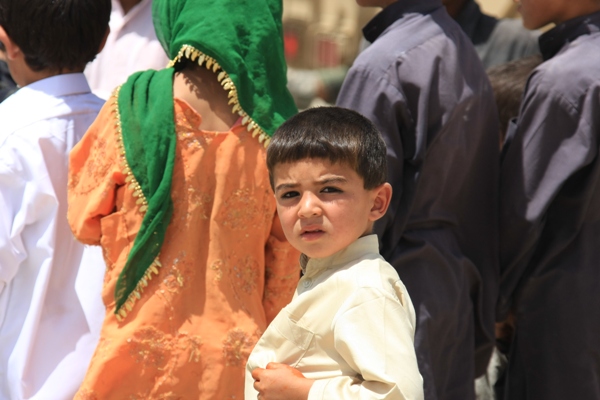
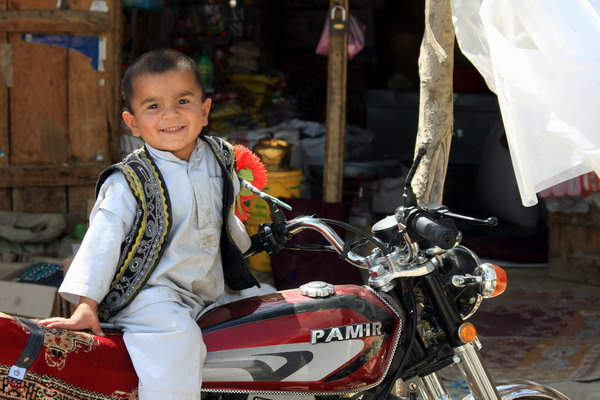
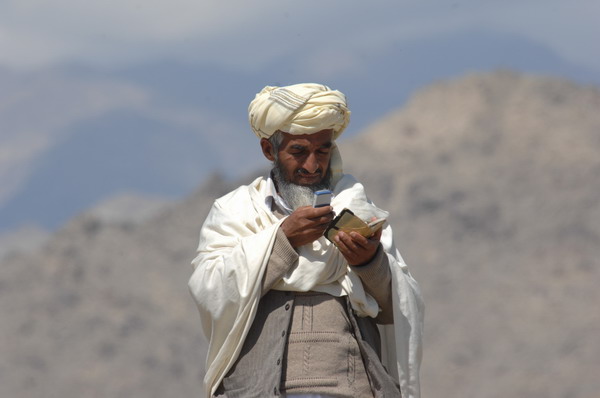
I love this picture of a young Afghan.

There are many more pictures that I will include in the next post. Also, these images are from several people on the team and the Chief was kind enough to help me clean up the images.

In case you can't tell, I really enjoy being here. Although I wish I could spend the holidays with Anna and the rest of my friends and family, I feel this is a good place to be. My team and I are doing our best to help the Afghans and that is a good reason to be away from everyone.

So, until the next post...

--Jim

]]>
Trips jim 2008-12-18T18:04:35+01:00
Savannah, GA http://www.jimanna.com/archives/000163.html Well, after the last post, Anna flew in to spend a little time with me before I headed over to central Asia. So, we chose a destination that was relatively close, had a beach, and was relaxing. Savannah and Tybee Island in Georgia met all three criteria. So, off we went to reacquaint ourselves with each other and enjoy our brief time together.


Savannah Web 01.jpg


Savannah Web 02.jpg

This is the first B&B we stayed at. Both were very romantic and exactly the sort of place we love to stay at.

Savannah Web 03.jpg

We also visited Fort Pulaski between Savannah and Tybee Island. This very well preserved Civil War Era fort was seminal in the advent of modern warfare. It was the first time rifled canons were used and it had devastating effects on the occupying confederate forces. The battle lasted 30 hours and ended when the shells began to land close to the fort's magazine. Instead of risking complete destruction with a direct hit, the confederate forces surrendered. It's also interesting to note that the fort was designed by a young Robert E. Lee. He came back to evaluate the fortification right before the battle and determined it was sufficient to withstand attack. Unfortunately, he hadn't accounted for the long-range, accurate rifled canon fire.

Savannah Web 04.jpg

Savannah Web 05.jpg

The exterior walls are still pock-marked with the damage from 1862. Portions where the wall was breached entirely was rebuilt, but the rest was left.

Savannah Web 06.jpg

The interpretive portion was also fascinating to watch and included a period black-powder weapon firing.

Savannah Web 07.jpg

If you have read the book, "Midnight in the Garden of Good and Evil," you may recall the famous Bonaventure Cemetery. Although I still prefer the immaculate landscaping and elegant symmetry of military cemeteries, this was a close second. It was very picturesque.

Savannah Web 08.jpg

Savannah Web 09.jpg

Our next activity was a boat ride out around Tybee Island, with the intent of finding bottle-nose dolphins. Unfortunately, we didn't see any aquatic mammals, there were plenty of other interesting sights. These shrimping boats were taking the day off, probably because the weather was not very cooperative.

Savannah Web 10.jpg

Although it appears that Cockspur lighthouse is built in the middle of the ocean, it is merely a 8' tide that covers the approach. Construction of this beacon began in 1837, remodeled in 1848 by the same architect who built the Mercer House in Savannah, destroyed by a hurricane in 1854, temporarily extinguished during the civil war, survived the fusillade during the siege on Fort Pulaski, damaged twice more by hurricanes in the 19th century and finally extinguished in 1909. Interestingly, it was man, not nature that turned out the light. The channel that this lighthouse marked was too shallow for the new, larger ships. Eventually in 1954, it was transferred to the National Park Service, under who's care it remains today.

Savannah Web 11.jpg

Another view of Cockspur Lighthouse.

Savannah Web 12.jpg

This, and the next three images are the much larger and older lighthouse on Tybee Island. It was first built in 1732 and has been rebuilt four times in its history. The current structure was erected in 1916. Anna and I climbed to the top and the view of the island was quite nice.


Savannah Web 13.jpg


Savannah Web 14.jpg


Savannah Web 15.jpg


Savannah Web 16.jpg

If you look close, you can still see the lighthouse in Anna's glasses.


Savannah Web 17.jpg

The Spanish moss is very pretty and covers many of the trees in region.

Savannah Web 18.jpg


Savannah Web 19.jpg

This is Savannah's city hall. Although you can't tell in this image, it has a very ornate gilded dome.

Savannah Web 20.jpg

Happy Halloween! We also celebrated Anna's birthday in Savannah. Although it was a couple days before her actual birthday, we decided that being together to celebrate was more important than marking the actual day.


Savannah Web 21.jpg

This is another shrimp boat, on our second attempt at dolphin watching.

Savannah Web 22.jpg

Success! But, unlike the spinner dolphins we saw in the Pacific, these bottle-nose dolphins didn't put on quite the same show. I think they were more focused on feeding. We couldn't blame them, and they were still fun to watch. But, despite taking MANY pictures, none were particularly spectacular.

Savannah Web 23.jpg

The pelicans were nearly as interesting to me as the dolphins.


Savannah Web 24.jpg

This trail gives a better idea of the flora in the region. We went hiking on trail in Skidaway Island State Park.

Savannah Web 25.jpg


Savannah Web 26.jpg


Savannah Web 27.jpg

This American alligator had some serious camouflage going on.

Savannah Web 28.jpg

We also happened about nearly a dozen deer on our hike. These two were kind enough to stop for a moment and pose.

Savannah Web 29.jpg


Savannah Web 30.jpg


Savannah Web 31.jpg

This image of Anna is from our bike trip around Hilton Head Island in South Carolina. We loved biking on the beach, lunch at a harbor, then back through perfectly manicured golf courses and ending the say with a quintessential American experience ... shopping at an outlet mall (of course we bought a bunch of stuff!).

Savannah Web 32.jpg

Our adventure quota was a little low on this trip. So, we rectified that with a final day kayak trip through the salt flats around Tybee. We also got out on Little Tybee Island here to wander around the driftwood and take refuge from the very strong wind, which we had to eventually face and paddle home.

Savannah Web 33.jpg

That sums up our trip together. It was a perfect experience and it was great to re-connect, relax and enjoy each other's company. So, now, we have our own separate adventures to live for the next few months. Then, we will head off on another adventure together early next year, when I get a short break from my time in central Asia.


So, until the next adventure...


--Jim

]]>
Trips jim 2008-11-02T12:11:39+01:00
Army Training, Sir! http://www.jimanna.com/archives/000162.html OK, for those who have not heard, for all intents and purposes, I am in the Army for the next year or so. I have been training with the Army for a little more than 2 and 1/2 months now in Indiana, as well as North Carolina in preparation for a deployment to Afghanistan this fall. We began with language and cultural training at Indiana University, then moved to Fort Bragg in North Carolina for combat skills and mission specific training.

My team is one of the provincial reconstruction teams. Our mission is to help the Afghan government rebuild their country, economy and government. My focus on the team will be construction. I am very excited to be a part of this mission. We (and the thousands of other diligent military and aid workers) have the opportunity to affect a great deal of positive change for many people. 30 years of near constant warfare has taken an enormous toll on the entire country.

As for my time here in North Carolina, it's been very valuable training, but certainly has included a number of ups and downs. We will continue our training for another month or so, then head to Afghanistan. As you can see, we focus on combat skills here. Our mission is to rebuild, aid and enable the Afghan government, so hopefully, we won't have to use these skills, but we are learning them, just in case.


If you are interested in more details about our mission and training, the following links will provide more insight:
PRT Overview
'Outside the Wire Mission' Article -->I am actually quoted in this article.
'Language Immersion' Article
Deployment Preparation Article
An article about the current PRT
Another article about the current PRT


With all that background reading out of the way, allow me to present a few images from the first part of our training. Fortunately for me, our chief here is a phenomenal photographer (also happened to be one for the Air Force as well). So, these images are a combination of his and mine. He was very kind to share them with me.

As a format side-note, I will try posting my comments directly under pictures, instead of on top as they were in prior posts.

PRT Web 05.jpg

This is me looking through the sight on my M-4.


Parwan Small.jpg

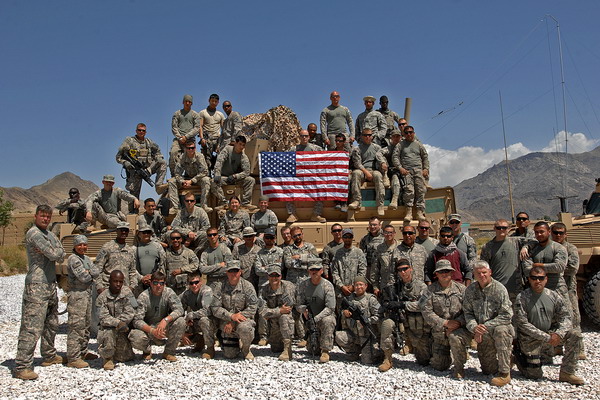
This is an image of the whole team


Now, for the title to this entry. It is homage to the continued relevance of the movie "Stripes." For reference, it was released in 1981 and is a timeless classic. In fact, the barracks in that movie (along with just about any other released since WWII) are the exact same that we lived in when we first arrived.


PRT Web 01.jpg

PRT Web 02.jpg

One of the other engineers, Joel, looks very happy to be there. Don't you think?


PRT Web 03.jpg

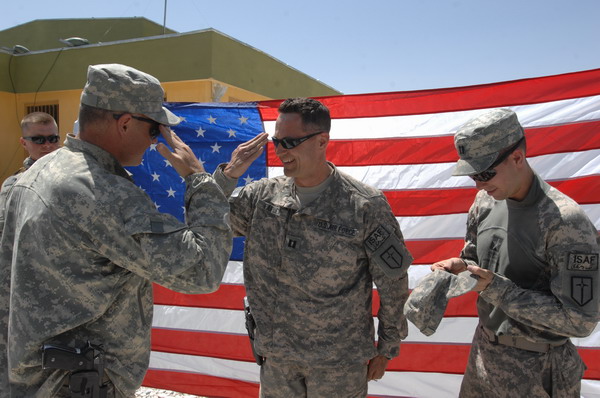
We quickly came together as a team. Here, you can see the Airman in the center was selected for promotion. The commander is congratulating him on a job well done to earn the advancement.


In the early part of our time here, we had specific training. During a session for the engineers, we got stuck in the middle of a micro-burst. It was nearly the intensity of a tornado, and experiencing that in a tent was... interesting.


Ft. Bragg 034s 2.jpg

These guys are trying to hold the wall of water back. It was about 70 mile an hour wind, with rain and hail. Oh, and when we realized that holding aluminium poles with lightning all around wasn't a good idea, we headed straight for the bus.


Ft. Bragg 020s 2.jpg

Here is some of the destruction after.


PRT Web 04.jpg

Multi-tasking in a HMMWV (AKA Humvee).

PRT Web 08.jpg

Part of the team after a long day of training.

PRT Web 06.jpg


PRT Web 07.JPG

Fortunately, communication equipment normally works, even in the woods of North Carolina. It's amazing that even in the middle of nowhere, you can stay in contact with the outside world.


PRT Web 09.jpg

Top (the informal form of address for an Army First Sergeant) had a good time in this simulator. It taught us what to do in case of a vehicle roll-over, which is a very disorienting experience.


PRT Web 10.jpg

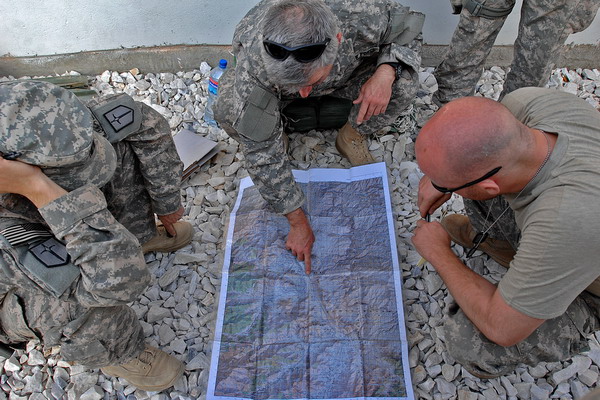
Map reading, and land navigation (both day and night) are essential skills that we reviewed and practiced.


PRT Web 30.JPG

We got a bit of hand's on medical training. As you can see here, we began intravenous saline treatments on each other. There is much to be learned by actually doing it.

PRT Web 31.JPG

As you may be able to tell, I am less than thrilled going through this process.


PRT Web 11.JPG

MAJ Mundt, looking like the quintessential soldier.


These next two images are me working on a 50 caliber machine gun.

PRT Web 12.JPG

Everyone had to prove their ability to load, clear, disassemble, re-assemble, then function check several crew-served machine guns in a short amount of time. The only one that gave me trouble was the Mk-19, which seemed to have about 50,000 pieces. There is a picture of a Mk-19, a little later on, if you are interested.


PRT Web 13.JPG

Concentrating VERY hard.


PRT Web 14.JPG

More field training. This time with the M-4, the standard weapon we carry all the time.


PRT Web 15.JPG


PRT Web 16.jpg

Here's the Chief with his Mk19 on top of a HMMWV.


PRT Web 17.jpg

Daniel kept a sharp eye out during our base defense exercises.


PRT Web 18.jpg

So did Matt, even at night.


PRT Web 19.jpg

LTC Kenna giving us direction.


PRT Web 20.JPG

Sitting around, telling stories has been an essential part of our experience here at Ft Bragg. Actually, everyone that I have talked to and who have trained with the Army has said that.


PRT Web 21.JPG

For almost a week, the team was expected to sleep outside (instead of our normal tents). Oh, we spent several weeks in those WWII barracks, but then moved to a "Forward Operating Base" that consists of a number of large (12-16 person) tents. That is where we have resided for a while now... Here you can see the chief made the most of his time out in the woods and brought several creature comforts (no pun intended).


PRT Web 22.jpg

Joel was also ready to defend our base.

PRT Web 23.jpg

Our only place to relax for a few minutes during a lull.


PRT Web 24.jpg

Yes, I too was ready to defend.


PRT Web 25.jpg

I know Daniel looks a little scary in this picture, but it was about 6 o'clock in the morning. We all look a little scary at that time of the day.


PRT Web 26.jpg

Nearly every day that we've been here, our lunch (and sometimes breakfast and dinner) has consisted of a Meal Ready to Eat (or MRE). These are pre-packaged food that is supposed to last for several years. In my opinion, they could probably survive in a nuclear winter. Although their quality has improved significantly over the last decade, it is no culinary masterpiece.

These next two images are from the Chief. He caught G-right and Slagle in the nice afternoon sun.

PRT Web 27.JPG

This is G-right


PRT Web 28.JPG

Slagle is enjoying his cigarette.


PRT Web 29.jpg

This is G-right again. This time he's in his gunner's turret of the Humvee. The chief did do some minor retouching to his image, as you can tell.


That concludes the training, as of right now. Next week, we have a big culmination exercise to practice all the skills we've learned. In the near future, we will head out to Afghanistan and use them for real.

So, until the next post...

--Jim

]]>
Commentary jim 2008-10-03T22:21:23+01:00
Wisconsin Part 2 -- Lakes, Family and Wedding! http://www.jimanna.com/archives/000161.html One of my best memories growing up is from my time at the Wiltrout Cabin on Moose Lake. This is where my Uncle David, Aunt Cheryl and cousin Chad had a great place. We spent a number of summers on the lake, enjoying the fishing, hiking, boating, swimming and family camaraderie available. Unfortunately, my Aunt passed away a couple years ago, but Uncle David has rebuilt the cabin to immense and very plush proportions. Anna had not visited this great location and I had not seen the new log-cabin Uncle David built. So, we took a few days and paid a visit. It certainly did not disappoint!


Wisc Web Pt 2 01.jpg


We spent time on the water, chatting with dear Uncle David about a host of topics and most importantly just enjoying time together.


Wisc Web Pt 2 02.jpg


The lake and cabin have so many fond memories, I was very happy to share them with Anna.


Wisc Web Pt 2 03.jpg


One great new addition is a pool table. This is great for all the guys who frequent the annual fall deer camp. Here is an image of Uncle David about ready to sink the 15 ball.


Wisc Web Pt 2 04.jpg


Anna too was quite the the shark.


Wisc Web Pt 2 05.jpg


On our way up to Hayward (the closest city ... about 30 minutes from Moose Lake, where the cabin is), there is a town called Cadott. This town has the claim to fame as the mid-point between the equator and North Pole (AKA 45 degrees North).


Wisc Web Pt 2 06.jpg


The day before Julie and Michael's wedding, Michael genorously took the entire wedding party out on Lake Michigan to fish for salmon. It was a stormy morning and made for tough conditions, but we managed to catch a few fish. This is Patrick working on the first catch of the day. He landed a nice salmon.


Wisc Web Pt 2 07.jpg


Here they are. These fish are much larger than the typical brown trout in the rivers of Colorado where Patrick normally fishes.


Wisc Web Pt 2 08.jpg


Clay was the big winner for the day and landed a couple beautiful salmon. Both were about 16 pounds and both took over a half an hour to get in the boat. We had visions of Santiago and the "Old Man and the Sea." Fortunately, there were no sharks to spoil the booty and Clay successfully landed both fish.


Wisc Web Pt 2 09.jpg


I was fortunate to catch a couple medium sized salmon as well. Of course, that is only because my father was gracious and let us young guys catch all the fish (he has the opportunity to go out on Lake Michigan at least once a year).


Wisc Web Pt 2 10.jpg


Here is Clay playing Santiago again...


Wisc Web Pt 2 11.jpg


Me with my second catch of the day.


Wisc Web Pt 2 12.jpg


Here is the entire catch of the day. Although not the most prolific day on Lake Michigan, it was certainly rewarding. We really enjoyed our time on the lake.


Wisc Web Pt 2 13.jpg


You may be wondering what happened to the man of the day, Michael. He and several other guys were on the other boat. Although it pains me to admit it, they were slightly more successful than us on the lake and wound up with 8 fish between them. :-) Ok, so it doesn't really pain me, but a little friendly competition was fun.


The next day was the whole reason Anna and I were home: Julie and Michael's wedding. Here is an image of the male cousins: Chad, T, and me.


Wisc Web Pt 2 14.jpg


This is the groom, Michael and one of his two best men, Omar.


Wisc Web Pt 2 15.jpg


This is Michael and his other best man, Brandon, with Chad in the background.


Wisc Web Pt 2 16.jpg


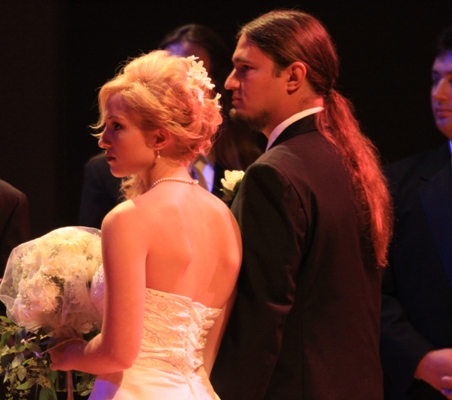
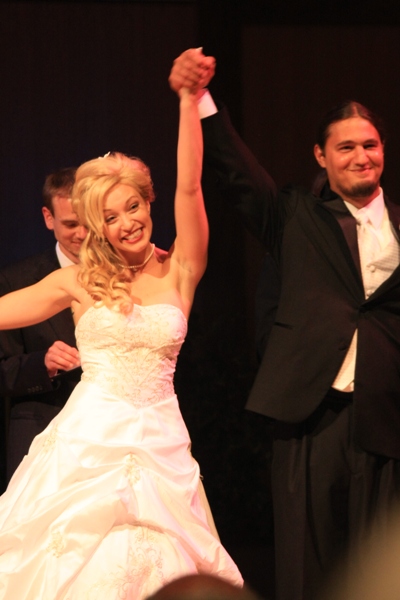
The beautiful bride, my sister Julie, on her way to meet my future brother-in-law, Mike.


Wisc Web Pt 2 17.jpg


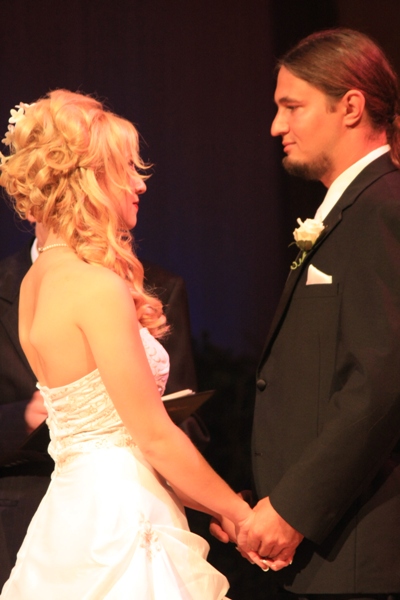
The happy couple.


Wisc Web Pt 2 18.jpg


Can you tell they are happy to see each other?


Wisc Web Pt 2 19.jpg


The ceremony was on the lake my parents live on, Nagawicka Lake. There was also a sailing regatta the day of the wedding.

Wisc Web Pt 2 20.jpg


Their official photographer was very creative with her images.


Wisc Web Pt 2 21.jpg


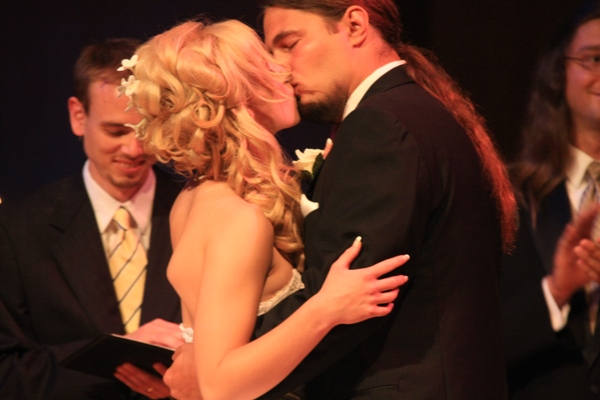
The happy couple again.


Wisc Web Pt 2 22.jpg


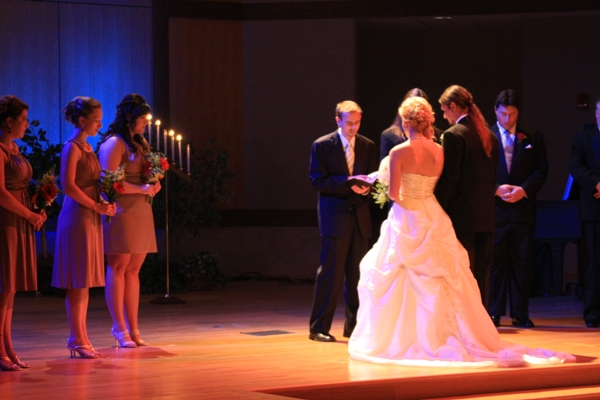
It was a great ceremony. Anna and I were proud to be a part of it. Julie and Mike make a great couple and we are certain they will enjoy their wedded bliss for the rest of their lives. We were fortunate that our schedule allowed us to partake in this auspicious occasion.


This was a fitting end to our trip to Wisconsin. A wedding and image of the symbol for the country I have sworn to defend. The next post will most likely be in my training for Afghanistan. In case I haven't told you in person, I will be a part of one of the provincial reconstruction teams in Afghanistan for the next year. First though, we have language and cultural training at Indiana University. Then a few months of intense training in North Carolina. Finally, this fall, we will arrive in Afghanistan with the intention of aiding the Afghan people rebuild their country and infrastructure. It will be a long time and difficult mission, but I am excited to be in a place where history is being made with the opportunity to help positively influence the outcome.


Wisc Web Pt 2 23.jpg


So, until the next adventure...


--Jim

]]>
Trips jim 2008-07-25T05:33:29+01:00
Wisconsin Part 1 -- Fireworks, Family, and Baseball http://www.jimanna.com/archives/000160.html When Anna and I stepped off the plane from Germany back in Wisconsin (after almost a 2-year absence for me), we were met by my parents. It was the 3rd of July and Milwaukee had a huge fireworks display planned. So, we hopped in the car and headed to the Lake Michigan shore to watch the festivities.

Once we arrived, the Quadracci Pavilion of the Milwaukee Art Museum greeted us. It's a beautiful addition to the museum created in 2001 by architect Santiago Calatrava.


Wisc Web Pt1 01.jpg


Here are a couple images from the 10,000 explosions that reportedly cost over $400,000 over 45 minutes with three distinct segments.


Wisc Web Pt1 02.jpg


Wisc Web Pt1 03.jpg


It's amazing what you can find in your own back yard. Especially when you have parents that have a green thumb!


Wisc Web Pt1 04.jpg


This next set of images are from Anna's family. We spent the day with Sarah and Jason, Anna's sister and brother-in-law, along with Susan, and her children, Anna's oldest sister.


This is Caidub, Susan's oldest son with a monarch butterfly.


Wisc Web Pt1 05.jpg


Here is Grant, our Godson.


Wisc Web Pt1 06.jpg


This is Griffin and he's quite a character already!


Wisc Web Pt1 07.jpg


This is Jason, my brother-in-law looking quite dapper in a image made by Sarah. :-)


Wisc Web Pt1 08.jpg


Another image by Sarah: Anna consoling Grant...


Wisc Web Pt1 09.jpg


This is Gracie, about to release another new-born monarch butterfly.


Wisc Web Pt1 10.jpg


This is the wonderful Miller family in their bi-annual family portrait I helped capture.


Wisc Web Pt1 11.jpg


The Six Miller girls, although all but two have new names these days.


Wisc Web Pt1 12.jpg


Sarah being silly, as usual. :-) Aren't the Miller girls cute??


Wisc Web Pt1 13.jpg


Another image of the Miller girls with their matriarch, Chris.


Wisc Web Pt1 14.jpg


The eternally effervescent Emma.


Wisc Web Pt1 15.jpg


The leader of the flock and my mother-in-law, Chris.


Wisc Web Pt1 16.jpg


The most beautiful woman in the world...


Wisc Web Pt1 17.jpg


Since it had been a couple years since I was in Milwaukee, my parents wanted to take me out to the ballgame. I hadn't been to the new Miller Park (no relation to my great in-law family). We watched the Milwaukee Brewers take on the Colorado Rockies.


Wisc Web Pt1 18.jpg


It was a great game with lots of intensity.


Wisc Web Pt1 19.jpg


Unfortunately, the Brewer's late-game surge was insufficient to win the day, but it was a great game to watch.


Wisc Web Pt1 20.jpg


My parents were very thoughtful and requested a giant screen message to me, my Airmen and Soldiers. We are currently training for a year-long mission in Afghanistan (for those who don't already know). It was a great reminder that everyone back home is pulling for us.


Wisc Web Pt1 21.jpg


I will finish this post with a couple classic Wisconsin images. Although Wisconsin used to lead the nation in % of over-weight people, they have slipped to about middle of the pack. Currently, Mississippi leads the way with overall fatness, and Colorado is the leanest. However, that didn't stop a number of large people from attending the game. It was quite a contrast from Europe.


Wisc Web Pt1 22.jpg


Drinking Miller Lite in Miller Park watching the Milwaukee Brewers.


Wisc Web Pt1 23.jpg


It has been too long since we were in Wisconsin. I really enjoyed my first few days back in my native state.


Next up is the our trip out to the lakes and most importantly, Julie and Michael's wedding.

So, until then...


--Jim

]]>
Trips jim 2008-07-24T04:50:43+01:00
Swiss Alps http://www.jimanna.com/archives/000159.html For our last European vacation together (for a while), we decided to visit the Swiss Alps around the city of Interlaken. Since this is the same area we visited last year, we decided to try a different valley nearby and stayed in the village of Grindelwald. As you may recall, we stayed in the carless village of Mürren last time. Grindelwald is certainly laden with more cars and consequently tourists, it is still spectacular.


On the drive in, this is the sight that greets visitors, the Thunersee.


Grindelwald 01.jpg


Jen got down to test the water. We decided to hold off on swimming, but it was very pretty water.


Grindelwald 02.jpg


These next few images are from our drive.


Grindelwald 03.jpg


Grindelwald 04.jpg


Grindelwald 05.jpg


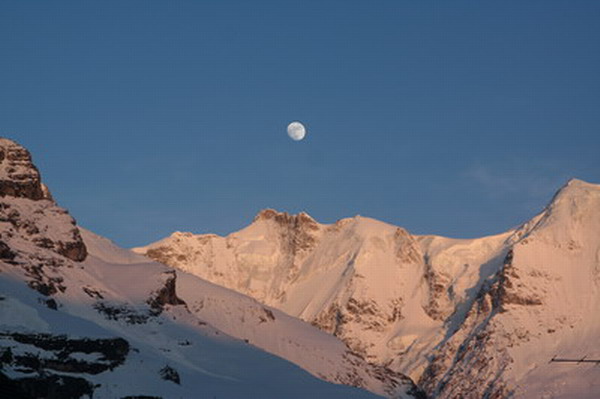
When we arrived in the Grindelwald valley, this view of the Eiger Mountain was amazing. It rises 10,000 feet out of the valley floor to it's summit at over 13,000 feet.


Grindelwald 06.jpg


Grindelwald 07.jpg


Another image of the picturesque Grindelwald.


Grindelwald 08.jpg


Another typical Swiss home.


Grindelwald 09.jpg


We hopped on one of the many gondolas for a hike in the mountains.


Grindelwald 15.jpg


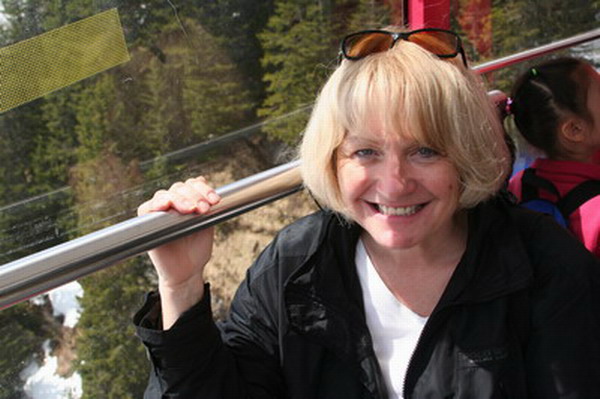
This is the view from inside the gondola.


Grindelwald 10.jpg


At the top of the lift, this cow said hi with the ever present cow bell. What you can also see in the right foreground is a land luge course, called a rodelbahn. To give you an idea of what it's like, this YouTube video does a nice job Swiss Rodelbahn Video


Grindelwald 11.jpg


After the thrilling luge ride, we decided to stretch our legs and took a hike along one of the many trails in the area.


Grindelwald 12.jpg


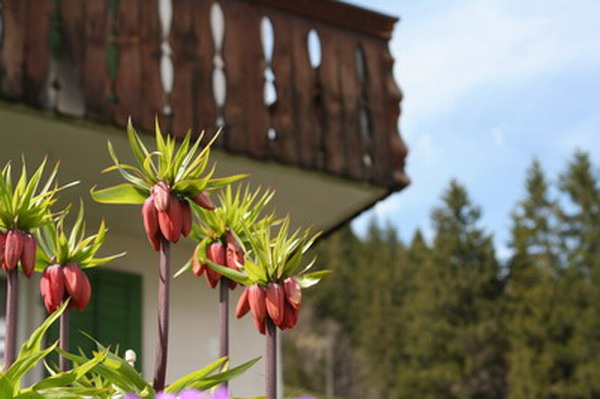
What hike would be complete without a picture of flowers??


Grindelwald 13.jpg


Paragliders were all over the valley.


Grindelwald 14.jpg


More typical Swiss architecture. All of us agreed it would be great to live here.


Grindelwald 16.jpg


These next two images are from our hotel room. Not a bad view of the Eiger mountain.


Grindelwald 17.jpg


Grindelwald 18.jpg


We also hiked along this precariously carved trail up the glacier gorge, Gletscherschlucht.


Grindelwald 19.jpg

Grindelwald 20.jpg


Since our adventure quota wasn't quite filled, we decided to next launch ourselves off a cliff. Fortunately, there are many companies that are willing to help with that endeavor via paragliding. The one we chose had us load into another gondola and ride up 1,100 meters higher (4,000 feet). As you may recall from our last Swiss trip, we also went paragliding then. We liked it so much, we came back for more.


This images gives you an idea of what we were about to do.


Grindelwald 21.jpg


This is the view from the launch point.


Grindelwald 22.jpg


Here is Jen, all set to go.


Grindelwald 23.jpg


Jen and her pilot running off the cliff...


Grindelwald 24.jpg


This is an image looking back at the launch point. If you look very closely, you can see Andy about ready to run off the mountain.


Grindelwald 26.jpg


This is an aerial view of the rodelbahn. I think the cow is still there with her bell.


Grindelwald 27.jpg


These next three images are all of Anna flying.


Grindelwald 25.jpg


Grindelwald 36.JPG


Grindelwald 37.JPG


Anna made it safely back to earth and again walks with a bit of a swagger.


Grindelwald 28.jpg


Grindelwald 29.jpg


Now, here comes Andy under the red canopy.


Grindelwald 30.jpg


Get ready to land...


Grindelwald 31.jpg


And touchdown.


Grindelwald 32.jpg


Now, it's Andy's turn to look back at the mountain valley he just conquered.


Grindelwald 33.jpg


A further example of that great architecture.


Grindelwald 34.jpg


Our final stop was for lunch on the Thunersee.


Grindelwald 35.jpg


Yet again, it was an amazing trip with some of our best friends. We only wished we could have stayed longer. Perhaps when I return.

So, until the next adventure...

--Jim

]]>
Trips jim 2008-07-13T05:47:18+01:00
Bordeaux, France http://www.jimanna.com/archives/000157.html Last week, Anna and I joined our good friends Tom, Tim and Dori for a splendid week touring the area around Bordeaux, France.


This trip had less emphasis on sight-seeing. That meant fewer pictures from me. Fortunately, Tim is an amazing photographer. So, we were able to pool our images to tell the story of the trip.


We all met up to see the city, take a bike tour, and of course visit a few vineyards. However, our expectations weren't too high for the city, because one of our favorite tour guides had some rather disparaging remarks. Rick Steves mentioned Bordeaux "must mean 'boredom' in some ancient language. If I were offered a free trip to that town, I'd stay home and clean the fridge." So, with that in mind, we began our visit.


Back in 1855, at the behest of Napoleon III, the wine makers of the region were classified by their relative quality (and price). Four were classified as first growth and given the label Premier Grand Cru Classé. Château Haut-Brion was one, so we decided to take a tour.


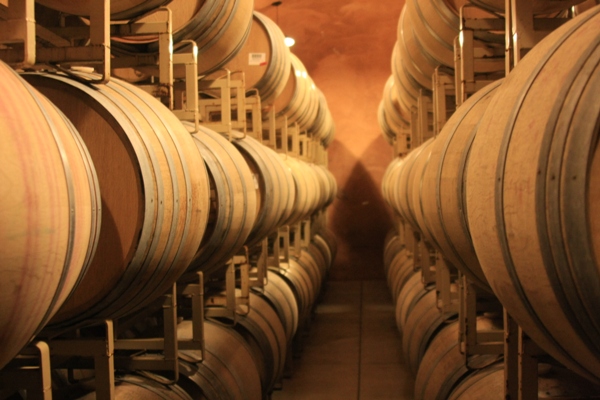
Although the tour was less than we hoped, we did learn the manner in which the famous oak flavor is infused in the wine. You can see here the toasting of the French oak barrel.


Gironde Web 03.jpg


In the cellar, we were offered a glass of the 2004 vintage. Although it wasn't the best, it was free of charge. That was true for all the wineries we visited. They all offer free tours/tasting.


Gironde Web 04.jpg


Another interesting aspect is that often you can't buy wine at the château. Fortunately, as you might imagine, there are a number of wine stores in the city. This is one of the most unique. Five floors of spiraled wine.


Gironde Web 05.jpg


This is one of Tim's images. You can see what a difference the ultra-wide angle lens makes.


Gironde Web 06.jpg


In Bordeaux, we stayed in this great little place.


Gironde Web 02.jpg

We also walked through the city and found a little friend.

Gironde Web 01.jpg


After spending a while in the city, we decided to move our party to the east, in the Sauternes region. This is also the home of the dessert wine of the same name.

The grapes grown are predominantly Semillion. Here you can see the image that Tim captured of the baby grapes.


Gironde Web 07.jpg


Tom's bike was well equipped to ride with a little extra gear...


Gironde Web 08.jpg


This is the view from Château St. Robert (captured by Tim again), where we stayed for a couple nights. It was an amazing location, right in the vineyards, a beautiful patio to enjoy a summer dinner and best of all, we were the only ones staying there. There are only a few rooms, so at night, we had our own personal château.

Often with the semillion grape, it is affected by "noble rot." This is where the bacteria Botrytis cinerea attacks the grape bunch and removes water to condense the sugar. This is possible with cool, wet mornings, followed warm, dry afternoons. Tim has captured the mist very well. In fact, this is probably my favorite picture of the trip.


Gironde Web 09.jpg


Tim also took his glass of wine out into the vineyard when we decided to climb a tree. The wine was more graceful than our climbing...


Gironde Web 10.jpg


I think Tim was still feeling artistic and made this image with the local flowers and a Château St. Robert bottle.


Gironde Web 11.jpg


Our next stop was Château Soussac (in the picture below), where we learned of a local fete (festival). It was a great insight to the local culture and people.


Gironde Web 27.jpg


The party began with men/boys in stilts and women/girls dancing. Quite a sight.


Gironde Web 12.jpg


Gironde Web 13.jpg


Gironde Web 14.jpg


Gironde Web 15.jpg


This sheep was surprisingly calm through this process. The sheered wool went to the numerous kids who played with it for about 5 minutes, after which it ended up on the ground.


Gironde Web 16.jpg


Only Tim and I tried the escargot, but it was quite tasty. If you haven’t tried it before, I highly recommend it. It’s a food that takes on the flavor of whatever sauce covers it (similar to chicken, although it tastes nothing like poultry).


Gironde Web 17.jpg


Here is Tom enjoying the feast.


Gironde Web 18.jpg

The next spectacle was the dogs who herd geese.


Gironde Web 19.jpg


These geese moved as a pack.


Gironde Web 20.jpg


We thoroughly enjoyed our evening delving into this quaint village.


Gironde Web 21.jpg


Here are a few images of the whole basis for this trip … biking.


We felt that it was only fitting to take a bike ride and have a picnic. It was delicious.


Gironde Web 28.jpg


This sculpted hedge was on top of a rond-pont (traffic circle). Although the town is known as a bike town and we saw many bikers to re-enforce that idea, as we stood here taking the picture, there were at least three people who honked at us. Perhaps they were just wishing us well, but apparently not many people take pictures next to this living bicycle.


Gironde Web 29.jpg


One day the girls opted for a shopping/relaxing day. So, we decided to … punish ourselves. We rode our bikes from one side of the Bordeaux region (Gironde) to the other. About 125 kilometers. It was a very pretty ride and relatively flat. This is the before picture.


Gironde Web 30.jpg

Just over halfway through our ride we traversed Bordeaux. We found traveling via bicycle in the city was better than using a car. In fact, we even had people honk and wave at us. Cycling is a much bigger deal in France.


Here you can see the pretty fountain in the middle of the city. The mist came and is (I believe) representative of the mist that enables the Noble Rot.


Gironde Web 31.jpg


It was also refreshingly cool.


Gironde Web 32.jpg


This is one of the Chateaux in Medoc. Whoever said there is no money/prestige in Bordeaux wine making, has never seen these chateaux. There were dozens just like this one.


Gironde Web 33.jpg


On our final day, we took a short drive over to the famous wine village of St. Emilion. We arrived in time to take part in the Fetes de Printemps (or the festival of spring). This is where many of the local winemakers come to show off their products. It seemed to us that this was as much for other wine makers as it was for tourists.


Gironde Web 22.jpg


This is the villagescape. The main focal point is the monolithic church that was begun in the 8th century. It's amazing to see, and the most impressive fact is that it was carved out of the limestone cliff.


Gironde Web 23.jpg


Here Tim’s wide angle lens gives a better view of the church. We toured the inside as well, but unfortunately, they did not allow cameras. However, an entire church cathedral carved out of the solid stone (hence monolithic) is a very impressive engineering feat … all the more so because it’s from the Middle Ages. The only minor mistake the monks made was that the steeple built above ground was slightly off center. Unfortunately, that meant that the giant columns underground meant to support the weight of the bell tower weren’t properly placed. This caused about 2 decades of concern once French engineers realized that cracks were forming in the foundation. The eventual solution was to install giant steel girders around the vulnerable columns. It’s not the most aesthetically pleasing, but it is apparently sufficient to continue to hold the weight.


Gironde Web 34.jpg


Since we heard so much about this bell tower while we toured the underground, we decided to climb it and see what all the hype was about. It certainly afforded majestic views of the countryside and village.


Gironde Web 24.jpg


Gironde Web 35.jpg


This is the King’s Tower, the second most famous tower in the village.


Gironde Web 36.jpg


Tom and the ladies…


Gironde Web 25.jpg


Gironde Web 26.jpg


Gironde Web 37.jpg


This final image is not mine. It’s a representation of the cave painting we saw nearby. In fact, these paintings are the oldest recorded cave paintings in the world. The first cave we visited, Grotte de Fonte de Gaume, has this image on the cave wall and is the last Stone Age era cave painting still open to the public. It was incredible to walk into a cave, and see something our ancestors created BEFORE the last ice age (13,000 years ago). Unfortunately, since the pigment is not carbon based, precise dating is difficult. However, the calcium carbonate that covers parts of the painting can be dated to the last ice age. So, we know that the paintings are at least that old. Combined with other archeological found at this sight and others nearby, the estimate that the actual age of the painting is more like 17,000 years old. Sadly, the most magnificent cave painting at Lascaux is closed to the public. From the time it was discovered in the 1940s until the 1960s when it was closed to the public, it deteriorated at an alarming rate. So, to remedy that problem, French engineers and painters created an exact replica of the most stunning parts and built it into the ground about 200 meters away. Although the replica is quite stunning it didn’t compare to the real paintings we saw at Fonte de Gaume. We hope that at least that cave stays open for a long time to come.


Gironde Web 38.jpg


Bordeaux has a lot to offer and we really enjoyed our time there. Since we didn’t have high hopes for the sights, we were very pleasantly surprised. Spending time with our good friends Tom, Tim and Dori was the highlight though.

We look forward to another adventure with them soon.

So, until then…

--Jim

]]>
Trips jim 2008-07-04T14:42:12+01:00
Chartres Cathedral http://www.jimanna.com/archives/000158.html A couple weeks ago, we took a trip down to the region around Bordeaux, France. Since it was a long drive, we decided to stop by the famous Chartres Cathedral.


This ultimate expression of high Gothic architecture was truly amazing. It literally rises out of the town around it, disproportionately large. The cathedral was the site of numerous pilgrimages after one of the French monarchs (either Charlemagne or Charles the Bald) brought the supposed veil of the Virgin Mary to the cathedral after one of the crusades and countless pilgrims followed.


Chartres Web 01.jpg


The building has survived numerous wars and restorations to retain its original grandeur and elegance. It took the shape you see today in the year 1260 when it was dedicated in the presence of King Louis IX (who is also known as Saint Louis).


Chartres Web 02.jpg


Chartres Web 03.jpg


Perhaps even more impressive than the building surviving a tumultuous French history, is the stained glass that dates from the early 13th century. Of the original 183 stained glass windows, 152 have survived. The blue hues are particularly renowned, especially this Madonna and Child.


Chartres Web 04.jpg


Chartres Web 05.jpg


Chartres Web 06.jpg


This impressive monument to medieval builders is certainly one of my favorites. It's easy to see why this was chosen as a world heritage site.


However, our real trip was to venture all the way to southern France into the area surrounding Bordeaux, France. So, until then...


--Jim

]]>
Trips jim 2008-06-23T14:44:44+01:00
Scotland http://www.jimanna.com/archives/000156.html A few weeks ago, we took a journey to the country of Scotland. As I probably don't need to mention, it's also part of Great Britain, along with England, Wales and Northern Ireland.


We traveled back to the British Isles with our very good friends Jen and Andy. They have fast become some of our favorite traveling companions. It was a great trip to an amazing, beautiful land with some of the nicest people we've met. Anywhere.


After flying into Glasgow, we spent our first day on the bonnie, bonnie banks o' Loch Lomond (or so the famous Scottish song goes).


Scotland Web 01.jpg


Here we all are on the mail boat that toured us around the lake for a few hours.


Scotland Web 02.jpg


A better view of our cruiser.


Scotland Web 03.jpg


As you might imagine, we also felt the need to hike around the loch. So, we headed off to explore the trail next to the water.

Doesn’t Anna’s hair look nice?? J


Scotland Web 04.jpg


The emerald forest was majestic.


Scotland Web 05.jpg


Jen was a very graceful tree-climber... Can’t you tell?


Scotland Web 06.jpg


If you’ve spent any time around me and Jen (much to the frustration of Anna and Andy), you’ll know that we tend to be competitive. So, we had a little competition on who could climb higher.


Scotland Web 07.jpg


After our adventure on/around Loch Lomond, we drove across the island to the Scottish capital city of Edinburgh (pronounced something like Edden-burra). In the fifteenth century, it replaced Scone as the seat of government (you’ll see Scone a little later). Now, Edinburgh is the second largest city in Scotland, after Glasgow. Since none of us are economists, the fact that Adam Smith was born in this city made no difference to us. Still, he is just one of many famous people from Edinburgh. The others that you may care more about are Sir Sean Connery, Sir Arthur Conan Doyle (think: elementary my dear Watson…), J.K. Rowling, and former Prime Minister Tony Blair.


There is a formidable rock outcropping that provided a natural defense and naturally led early inhabitants to build a castle on it. Now, Edinburgh Castle forms the end of a very scenic road, known as the Royal Mile. We had fun exploring it. Interestingly, the rock where the castle is built is very hard and survived the onslaught of the last ice age. The area to the east was softer rock, but was sheltered from the ice and now forms a mile long tail to the hard crag. Thus, we have the geologic basis for the Royal Mile.


Scotland Web 08.jpg

Next, we wandered down the tail and turned around to admire the architecture.


Scotland Web 10.jpg


Ahead of us was the Princes Street garden.


Scotland Web 09.jpg


Anna and Jen were all about hanging out and enjoying the day. Andy and I readily agreed to enjoy the grass.


Scotland Web 11.jpg


Scotland Web 12.jpg


Scotland Web 13.jpg


Scotland Web 14.jpg

This is a view back to Edinburgh Castle.


Scotland Web 15.jpg


That night we took a tour of the underground city. Although tales abound of ghosts wandering, we didn’t see anything more eerie than a tour guide wearing all black and trying really hard to scare her guests.


The next day we got up and drove northwest to the historic home of golf: St. Andrews Royal and Ancient Golf Club. Although the Old Course of St Andrews is officially public, the greens fee is nearly $300. Plus, since there is so much demand, tee times are assigned by a lottery system. So, with that information in mind, I decided to forego a golf at the oldest golf course in the world. That didn’t stop us from paying a visit to the home of the 2010 Open Championship (AKA the British Open).


This is the 18th green of the Old Course and where the Open Championship was first played in 1873. It has since been held here 26 more times, most recently in 2005. When the Open Championship returns in 2010 though, it will be played on the Castle Course which is set to open later this month.


Scotland Web 19.jpg


A few lucky players finishing their round on the Old Course.


Scotland Web 20.jpg


What I didn’t realize before we arrived is that St. Andrews actually has 6 different courses (7 when the Castle Course opens). Plus, the Old Course originally had 22 holes, 11 out and 11 back. In 1764, the Royal and Ancient Golf Club decided that some holes were too short and combined them to make what has become the standard, an 18-hole course.


For the golfers out there, the game was played a little differently in the 18th century. For example, when a golfer completed a hole, he had to use a scoop of sand to tee his ball up within 2 club lengths of the hole.


This is the Jubilee course, which is right next to the ocean. Its greens fee is a much more reasonable $140.


Scotland Web 18.jpg


The windswept beaches were also fun to play in. Here is Jen, ready to capture the action.


Scotland Web 16.jpg


The happy, but wind strewn group on the beach.


Scotland Web 17.jpg


Next on the itinerary is the historic home of the Stone of Scone. Although it’s currently at Edinburgh Castle, it used to be housed here, at the Scone Castle. Many Scottish kings were crowned here: from Robert the Bruce (think: Braveheart … even if it’s not historically accurate) to James VI who in 1603 became James I when he inherited the English throne from Queen Elizabeth, the last of the Tudor Dynasty. Scotland wasn’t officially a part of the United Kingdom until 1707 with the twin Acts of Union by the Scottish and English parliaments, which formally united the two countries.

This is Scone Castle, where the Earl of Scone still lives.


Scotland Web 21.jpg


It was easy to imagine riding a carriage through the gate to attend a coronation ceremony. Well, ok, not that easy, but it was still picturesque.


Scotland Web 22.jpg


Maze gardens are always fun. Not surprisingly, we had a race to see who could reach the center first. I won’t mention who won.


Scotland Web 23.jpg


After searching in vain for scones to eat (the food and castle have no connection, in case you were wondering), we headed further north to the Scottish Highlands. Although we didn’t stay in this castle, we did stay in a very romantic bed and breakfast just up the road. We were the only guests and thoroughly enjoy our host, Dot, who treated us like royalty (she learned that skill while working for royalty in London).


Scotland Web 24.jpg


We finished our trip the same way we began, with a hike. This one was a little more rigorous, but still very enjoyable.


Scotland Web 25.jpg


Although there is very strong evidence disproving the existence of the Loch Ness monster, we were convinced that Nessy might have been lurking in this shallow loch.


Scotland Web 26.jpg

After the hike, we drove back to Glasgow to enjoy a final Scottish dinner, and then boarded the plane to return to Germany. It was another great trip with our dear friends Jen and Andy. We concluded that the stunning landscape, friendly people and great culture make this one of our top 10 favorite countries. We look forward to coming back sometime soon.


Until our next adventure…


--Jim

]]>
Trips jim 2008-06-15T21:15:18+01:00
Paris Marathon 2008 http://www.jimanna.com/archives/000155.html So, although I have done a number of endurance events, I had yet to complete a full marathon. So, this year I decided it was time and since Paris is only a few hours away, it was destination: Paris Marathon 2008.


The plan was to race with Anna, me and our good friend Jen (unfortunately, her husband was in southwest Asia and unable to join us). Also unfortunately, Anna had a complication part way through her training and couldn't join in on race day. But, luckily for Jen and me, she was willing to photo-document the event.

This was the 32nd running of the Paris Marathon and it was huge. There were about 30,000 runners and 200,000 spectators. It was the biggest event I've been a part of. We were running in a crowd the WHOLE race. That made the torture of 26.2 miles (or 42.2 kilometers) pass rather quickly.


As you can see, we lined in front of the Arc de Triomphe in the Place de l'Étoile. We queued according to expected finishing time. My goal was 3:30 and Jen's was 4:30. For reference, the elite (read: professional) runners finish in just over 2 hours.


Paris Marathon Web 01.jpg


Jen and I looking a little nervous before the start.


Paris Marathon Web 02.jpg


As you look across the sea of people, you can see Jen in the lower center of the image.

Paris Marathon Web 03.jpg


It was a little chilly waiting around for the starter's pistol. So, race organizers solved that problem by giving each competitor a plastic bag to retain heat and stay warm. Unfortunately, that meant that there was a HUGE mess to clean up.


Paris Marathon Web 04.jpg


Some groups and individuals really dressed up for the race. From about mile 8 to mile 10, I was running next to Superman.


Paris Marathon Web 05.jpg


Jen ran next to this guy for quite a while. He had quite a stride!


Paris Marathon Web 06.jpg


A whole legion was waiting to clean up...


Paris Marathon Web 07.jpg


And there was a lot to clean up.


Paris Marathon Web 08.jpg


Of all the photography stations along the way, this is the only one that got an image of me...


Paris Marathon Web 09.jpg


Hail the conquering heroes!


Paris Marathon Web 10.jpg


We made it all 42.2 kilometers (or 26.2 miles). Actually, because I was in a crowd the whole time, I ended up running a bit farther (almost 27 miles on the GPS). Jen and I were almost exactly on our goal times. I finished at around 3:40 officially (3:36 unofficially) and Jen "ran her little heart out" for a 4:32.


Paris Marathon Web 11.jpg


Some interesting facts about running a marathon. Of course, it's an homage to a Greek messenger who, according to legend, ran from the port town of Marathon to Athens, warned the senate of impending invasion, and died on the spot. Fortunately, as far as I know, no one died in this race, but it was certainly a grueling race. In fact, most endurance runners hit a 'wall' of sorts at around mile 20 in a marathon. Since I had already hit that in my training and other races, I knew what to expect, but it was still a bit frustrating. I wanted my legs to work faster than they were.


As a bit of biological background, the carbohydrates a person eats are converted into glycogen by the liver and muscles for energy (or calorie) storage. Glycogen burns quickly to provide energy. Runners can store about 2,000 calories of glycogen in their bodies, enough for about 30 km (or 18-20 miles) of running. Not surprisingly, this is also the point where most people hit the wall. When glycogen runs low, the body must then burn stored fat for energy, which does not burn as readily. This is the point when physiologically runners experience dramatic fatigue, or 'hit the wall'. Jen described it vividly as "a bad dream ... like a monster chasing you and for some reason your legs aren't running fast enough and you can't will them any faster."


Although we both hit the wall pretty hard, we were close to our goals and pleased with the result. We weren't number 1 (Tsegaye Kebide from Ethiopia who ran it in 2:06:40 was the actual winner), we certainly felt like champions.


Since we've had some time to reflect on it, we're already plotting out the best race for all four of us to compete in. So, stay tuned to the results from the next marathon.


Both before and after the race we took some time to see more sights of the city. Here is Jen looking particularly French.


Paris Marathon Web 12.jpg


Jen caught me taking a picture of Anna...


Paris Marathon Web 13.jpg


Near our hotel was the very pleasant Luxembourg Garden.


Paris Marathon Web 14.jpg


Paris Marathon Web 15.jpg


Paris Marathon Web 16.jpg


I love all the random works of art throughout the city. Here you can also see the Panthéon with its panoply of French patriots buried inside.


Paris Marathon Web 17.jpg


We also visited the light filled Sainte-Chapelle on the island of the city (near Notre Dame). It is a glorious Gothic chapel built by Louis IX (the name sake of St Louis in Missouri) between 1242-1248. Gothic architects loved to use light and this is perhaps the highest realization of that ideal. Also, there are 1,100 Biblical scenes represented on the stained glass (amazingly, two-thirds of it is original).


Suffice it to say, this place is amazing inside and out.


Paris Marathon Web 18.jpg


Paris Marathon Web 19.jpg


Paris Marathon Web 20.jpg


Paris Marathon Web 21.jpg


Here are the girls looking cute, but perhaps a little cold.


Paris Marathon Web 22.jpg


I love the motto of the French Republic: Liberty, Equality, Brotherhood.


Paris Marathon Web 23.jpg


We also visited the reverse designed Pompidou Center for Modern Art. It is filled with fascinating art from perhaps the most fascinating and tumultuous century in the current era, the 20th. I think it's still waiting for the world to catch up with it.


Paris Marathon Web 24.jpg


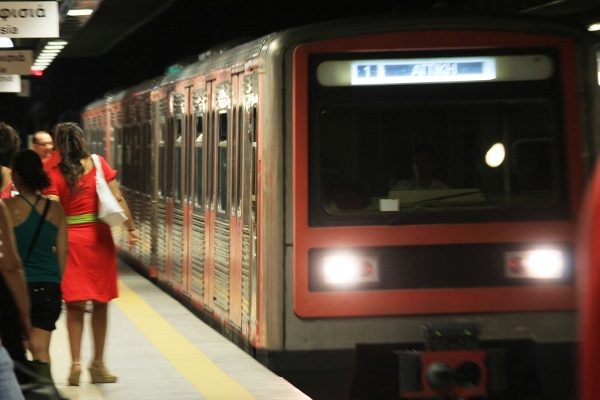
Finally, what visit to a major city would be complete without a picture of its subway system. I love European mass transportation.


Paris Marathon Web 25.jpg


So, until the next adventure...


--Jim

]]>
Races jim 2008-05-05T22:51:23+01:00
Champagne, France http://www.jimanna.com/archives/000154.html Back at the end of March, we took a trip to one of the smallest, most famous wine producing regions in France: Champagne. The capital of the region, Reims (unusually pronounced Raance) is also the largest city and where we began our tour. However, the first sight we saw was not the famous champagne houses, nor vineyards. Instead we toured the cathedral where French monarchs were once crowned (27 to be exact). Rebuilt in the thirteenth century, after a devastating fire, Notre Dame de Reims is the focal point of the city to which a confident Joan of Arc led Louis VII to his coronation in 1429.


Here is how the beautiful west portal looks today.


Champagne Web 01.jpg


Inside, you are able to see the rose windows. Although the majority of the church was destroyed by vicious fighting in WWI, this is (partly at least), original glass.


Champagne Web 03.jpg


Anna and our friend, Hayley, make a beautiful counterpoint to the windows.


Champagne Web 02.jpg


Less colorful, but still beautiful stained glass.

Champagne Web 04.jpg


This 1974 Marc Chagall window looks right at home. Although born in Belarus, he was half French and contributed to a number of large scale civic and religious works.


Champagne Web 05.jpg


Champagne Web 06.jpg


Next stop were the champagneries. First up was the famous Taittinger House.


Champagne Web 08.jpg


The cellars are carved out of the chalk soil. Many were carved in the fourth century by Roman city builders. Now they are a warehouse to permit the champagne bottles to properly age.


Champagne Web 10.jpg


Hayley was hoping this one would spring a leak...


Champagne Web 09.jpg


Ready to ascend back into the light of the surface world.


Champagne Web 11.jpg


Champagne Web 12.jpg


Next stop was outside of Reims, at a champagne house called:

Champagne Web 13.jpg


Although the vines weren't blooming, it was impressive to see the rolling hills and vineyards. They told us each plant would produce about one bottle.


Champagne Web 14.jpg


During the 3-8 process of aging bottles of champagne, eventually a small amount of sediment that collects at the cork. During the eventual bottling process, that sediment is frozen and disgorged. After, the void is filled with a small amount of still wine.


Champagne Web 15.jpg


Champagne Web 16.jpg


Interestingly, there are three grapes that typically make up champagne. Each house makes it own blend. There is a master wine maker who decides what amount from each grape is required. Also, we were surprised to find out that although champagne is golden in color, two of the three grapes are red. Once the grapes are pressed, the skins are removed. It is the skin that gives the red color.


Champagne Web 17.jpg


Then, there is the bottle size. Although most bottles are 750 mL, there is a whole range. The double is called a magnum (1.5L). Here you can see the high end of the spectrum. The largest here is called a Nebuchadnezzar. It holds a whopping 15L of bubbly.


Champagne Web 18.jpg


Hayley felt well connected with this random headstone...


Champagne Web 19.jpg

Although we don't have any group pictures (that turned out), Dave and Dominique also joined the three of us.


Here is a picture from the bed and breakfast we stayed in. Our hostess was very nice, but when she found out I spoke French, she ceased speaking to us in English and told me I was responsible for translating. While I was flattered, she had a number of house rules I wanted to make sure we followed. Nothing like a little pressure to make you remember your French lessons!

Champagne Web 20.jpg


The next day we visited the town of Epernay and the second capital of Champagne. This is the home of the giant champagne house, Moët and Chandon. They also produce the world renowned Dom Pérignon. What most people don't realize is that this was a real person and one of the first producers of champagne. He was a Benedictine monk who was the cellar master of an Epernay Abbey in the 17th and 18th centuries. There is much myth surrounding the man and this effervescent drink. However, what we know today is that his name is one of the most famous brands of quality champagne in the world.


Champagne Web 21.jpg


Champagne Web 22.jpg


Champagne Web 23.jpg


One thing is certain about the Dom today. His drink is expensive!


Champagne Web 24.jpg


That concludes our trip into the nearby champagne region of France. It's important to remember only wine produced in this region can truly be called Champagne. It's EU law to respect this fact. Of course, in the US, that is not as important and many sparkling wines are inappropriately called champagne. Unfortunately for French champagne producers, EU law doesn't extend to other parts of the world.


So, until the next adventure...


--Jim

]]>
Trips jim 2008-05-03T11:49:23+01:00
Battle of the Bulge or Operation Wacht Am Rhein http://www.jimanna.com/archives/000153.html A couple weeks ago, a group of us had the opportunity to witness the site of one of the most seminal battles of World War II. Officially it was named the Battle of the Ardennes by the US Army and Operation Wactch am Rhein by the Germany military, but popularly known as the Battle of the Bulge.


It's a violent tale from history that happened right in our backyard. We had the opportunity to listen to a lecture by an American and Belgian historian. They provided us with background knowledge and pictures from the pivotal time before, during and after arguably the most important battle of the European theater in WWII.


For those that aren't well versed in 20th century military history, please allow me to provide you with a thumbnail sketch of this titanic clash.


Toward the end of 1944, the allied advance through Europe had been faster than expected and stretched the forces out over a large expanse of the continent. This presented a severe logistical problem for the Allies and coupled with the failure of Operation Market Garden (British Field Marshall Montgomery's failed attempt to bypass the Siegfried Line and cross the Rhine), presented a very tempting target to Hitler and the German commanders. So, the German military decided to try and split the American and British forces, in the hope that Germany could force both the US and UK to seek peace independent of the USSR in the East, thus giving Germany more time to complete their extensive work on secret weapons like jet aircraft, super heavy tanks/U-Boats and of course, nuclear weapons.

This belief sparked Hitler to try another Blitzkrieg (Lightning or Flash War) maneuver to encircle four Allied Armies and retake the Belgian port of Antwerp. This would mirror what the German Army did in 1940 during the successful Battle of France. The difference this time would be instead of using the Ardennes forest to cover the advancing German army, it would be the site of the battle. The close terrain of the forest made rapid movement difficult, which was ideal to trap an army (or armies) in the dense woods.

In order to achieve success, the German High Command needed to achieve complete surprise. Also, the weather had to be poor to neutralize the deadly air superiority. The German advance had to be quick to encircle and trap the allied armies and the Allied fuel supplies had to be captured intact, since the air raids in Romania had starved the German military machine of its lifeblood.


The Allied armies also suffered from a recent lack of intelligence. All through the campaigns in France and Italy, the Allies were able to intercept and decrypt ULTRA intelligence from German radio transmissions with the help of an Enigma machine. As they crossed into German territory though, the German army didn't rely on the radio, but land lines which weren't as easy to decipher. The very helpful French resistance was unable to supply information about the German homeland for obvious reasons as well. Finally, a foggy autumn also hampered the Allied forces from correctly assessing the situation.


Popular belief was that the German army was in no state to wage an offensive. Also, the Ardennes was considered a quiet sector, so it was used as a training ground for new units and a rest area for those that hard seen hard action.


This was soon to change.


On December 16th, the battle began. It was a multi-pronged attack, with paratroopers, infantry and armored cavalry, along with special tactics like Otto Skorzeny's battalion of English speaking Germans. Their goal was to take vital bridges over the Muese River. Although they failed at that, they did produce great chaos and inflicted much damage on the logistics of the Allies. Checkpoints were set up all over the rear and servicemen were grilled on all things American. For example, what was the identity of Mickey Mouse's girlfriend, baseball scores, or the capital of Illinois. That last question resulted in the temporary detention of General Omar Bradley. Although he correctly answered Springfield, the soldier asking seemed to think the correct answer was Chicago. Apparently American geography wasn't the best back then either!


Unfortunately, when the main armored spearhead of the Sixth SS Panzer Army met the lightly armored American 285th Field Artillery Observation Battalion, there was very little contest and the Americans surrendered to the overwhelming German force. About 150 unarmed men were herded into an open field near Malmedy, Belgium. Although no official order appears to have been given, the Germans opened fire and cut down the American troops. Then, several went through the survivors and methodically spotted those still alive. Fortunately, a few escaped to bring the tale back to the others. This story spread like wildfire and similar to the Alamo or USS Maine became a rallying cry. It also led to the common practice of not taking prisoners.


This is an image from that massacre in 1944.


Malmedy Massacre.jpg


Today, outside of Malmedy, the field of the massacre is still just a field, but there is also a museum and two memorials to commemorate what happened. Here are a couple images of that memorial.


Battle of the Bulge Web 01.jpg

Battle of the Bulge Web 02.jpg


Several of the towns in the area still have reminders of the battle.


Battle of the Bulge Web 03.jpg


This 640 horse power, 50-ton, Tiger I Tank is another visual reminder of the power of the German military. It was a fearsome adversary.


Battle of the Bulge Web 04.jpg


Of course, even in the midst of documenting this battle, flowers are a strong symbol of peace and regeneration.


Battle of the Bulge Web 05.jpg


Our next stop was to witness the result of the ferocious battle, the Ardennes American Military Cemetery. This 90-acre memorial is the final resting place for 5,329 American service members, many of whom died in the Battle of the Bulge. You can see the American Eagle, a 17 foot high symbol of the American military. Beside it are three figures representing Justice, Liberty and Truth. The thirteen stars on the other side, represent the original colonies of the US.


Battle of the Bulge Web 06.jpg


This sign shows that dogs are prohibited (even on a leash) and silence and respect are strictly enforced.


Battle of the Bulge Web 07.jpg


This relief map shows the bulge in the operation. Also, at the crossroads in the lower right corner is the town of Wittlich, near where we live.


Battle of the Bulge Web 08.jpg


This legend depicts who was involved in the battle.


Battle of the Bulge Web 09.jpg


Battle of the Bulge Web 10.jpg


The several images below depict the grave sites. The overall layout is in the shape of a Greek Cross. Sixty percent of those buried here were Airmen. So, it made for a particularly poignant stop.


Battle of the Bulge Web 11.jpg


Battle of the Bulge Web 12.jpg


Here is another view of the Stars, Eagle, Justice, Liberty and Truth.


Battle of the Bulge Web 13.jpg


It was a very historic day. I am always humbled to take part in activities like this. A day to remember our past and not forget what it means to be an American service member.


So, until the next adventure ... back in France.


--Jim

]]>
Commentary jim 2008-04-08T21:49:08+01:00
Berlin, Germany http://www.jimanna.com/archives/000152.html Almost two weeks ago now, Anna and I visited Germany's young, hip capital, Berlin. Although not quite the architectural gem that other European cities are, it has a number of merits.


We began with a visit to the Bundestag, Germany's house of parliament.


Berlin Web 01.jpg


We took a night tour through the Reichstag Building (which until the World War II era was the name the Parliament). It was great to see the structure, but obviously didn't afford us a chance to see a live session.


Berlin Web 02.jpg


This facility was built at the end of the 19th century, and functioned as the house of parliament until it was burned down in 1933. That act of arson (who committed it has been a point of contention ever since) was the beginning of the end. It was the catalyst for the rise of Hitler's Nazi party and all the atrocities that followed. Upon reunification in 1990, Berlin was again chosen as the capital city and soon after re-construction began on the original 1894 building. The renovation work gutted the interior and added this modern glass dome. As you can see below, there is a long shaft with mirrors to radiate natural light into the chambers below. The work to restore this building was complete in 1999 and it's free to visit.


Berlin Web 03.jpg


At the top, the bench and open roof are perfect for viewing the night sky.


Berlin Web 04.jpg


Berlin Web 05.jpg


The city scape from the top was very nice. This is the very famous Brandenburg Gate.


Berlin Web 06.jpg


Over the next couple days, we went to tons of museums. As you can imagine though, not many photographic opportunities presented themselves. Even though I still have philosophical opposition to traditional zoos, we decided to go see our second zoo of the year. We assumed since it was Berlin, there would be a very ... nice zoo. Unfortunately, the primates, like this gorilla, looked incredibly sad. I think that's probably in part because they are such anthropomo